
Serbia
Serbia Still Does Not Know How to Bury Ratko MladićThe justice minister initially promised the highest state honours, but has since brought his position into line with Vučić’s
Ratko Mladić’s funeral is becoming an increasingly awkward political issue in Serbia. Justice Minister Nenad Vujić initially spoke of the highest state honours immediately after the former Bosnian Serb military commander’s death, but has now aligned himself with Aleksandar Vučić’s more cautious position: the government is waiting for the family’s decision, while Vujić now says the best outcome would be a small, private family funeral. For the moment, however, it is not even clear when the burial can take place, as Mladić’s body remains in The Hague while the circumstances of his death are investigated


Ratko Mladić’s body remains in The Hague, while the question of what should happen to it once it is returned is becoming an increasingly awkward political issue in Belgrade. Justice Minister Nenad Vujić initially spoke of a funeral with the highest state honours, but has since conspicuously brought his position into line with Aleksandar Vučić’s more cautious statements.
The decision is now being left to the family – and for the Serbian authorities, the easiest way out would probably be for Mladić’s relatives themselves to request a small, private family funeral.
Ratko Mladić’s death did not bring the Hague chapter to an end for Belgrade. In some respects, it has merely opened its most politically uncomfortable phase: what should Serbia do with the body of a man who was sentenced to life imprisonment by the Hague tribunal for genocide, crimes against humanity and war crimes, while a significant part of Serbian society continues to regard him as a hero?
The question is particularly awkward for Aleksandar Vučić. A funeral with state honours could carry serious political consequences both at home and abroad. An entirely private burial, on the other hand, could anger the nationalist constituency whose glorification of Mladić has for years been reinforced by media close to the Serbian authorities. The room for manoeuvre between those two options is becoming increasingly narrow.
Vujić initially promised state honours
The change in position is best illustrated by Justice Minister Nenad Vujić’s successive statements.
Following Mladić’s death, Vujić told Bosnian Serb television channel ATV that the former Bosnian Serb military commander would be buried with the highest state honours, while saying that the family would decide where the funeral would take place.

That sounded like a fairly unequivocal promise.
Since then, however, Aleksandar Vučić has been considerably more cautious. The Serbian president said the state would respect the family’s wishes and that, if the relatives wanted Mladić to be buried in Serbia, the country would help ensure that this was done in a “dignified and decent manner”.
But a dignified funeral and a funeral with state honours are not the same thing, and the certainty of Vujić’s earlier statement has disappeared from his latest remarks.
The minister now says that the state has received no new information from the family regarding its wishes for the funeral.
According to Vujić, a meeting with the relatives dealt exclusively with technical matters, so that Serbia can act immediately once the Hague Mechanism authorises the release of Mladić’s body.
In other words, within a matter of days, the “highest state honours” have become a question of what the family decides. Politically, that is far from an insignificant shift.
The family could offer Vučić a way out
Invoking the wishes of the family could provide Vučić with a convenient escape route. If Mladić’s relatives were to decide – perhaps after encouragement to consider such an option – that the former general should be buried in a small private ceremony, the Serbian state would no longer have to decide whether a man convicted of war crimes and genocide should receive military or state honours.
Vučić could offer his condolences, Vujić could represent the state, and the funeral could be closed as a family matter.

Reports in the Belgrade media have mentioned Topčider Cemetery, where Mladić’s daughter Ana is buried, as a possible location. For now, however, this cannot be regarded as a final decision.
Such an arrangement would be politically far less explosive than burying Mladić with a state ceremony in one of Belgrade’s more prestigious cemeteries.
In some respects, the situation recalls the burial of Slobodan Milošević two decades ago. The former Yugoslav and Serbian president was ultimately not given a state funeral but was buried in the grounds of his family home in Požarevac. On that occasion, too, the family’s decision helped avert an even greater political confrontation.
But Mladić is still in The Hague
For the moment, all of this remains theoretical because Ratko Mladić’s body has not yet been handed over to Serbia.
The International Residual Mechanism for Criminal Tribunals in The Hague has ordered an investigation into the circumstances of Mladić’s death and has not yet said when his body can be released.
Vujić said Belgrade is awaiting information on the progress and timetable of the investigation and when it is expected to be completed.

“We cannot give any deadlines because this does not depend on us; everything is in the hands of the Mechanism,” the Serbian justice minister told Prva television.
Serbia also wants clarification on whether the investigation will examine the medical treatment Mladić received during the final stage of his life. According to Vujić, Serbian doctors had previously raised objections to certain aspects of the palliative care provided during his terminal phase.
This fits into Belgrade’s broader narrative that Serbia had been prepared to take custody of the seriously ill prisoner and provide medical treatment during the final weeks of his life.
A funeral Vučić can only lose from
The real problem, however, is not in The Hague but in Belgrade.
Vučić has changed his stance towards Mladić several times over the course of his long political career. As a politician of the Serbian Radical Party, he defended Hague indictees, and in 2007 he took part in a demonstrative action in which the Radicals placed signs reading “Ratko Mladić Boulevard” along the boulevard named after assassinated former Serbian prime minister Zoran Đinđić.
In Srebrenica, however, Vučić bowed his head before the victims. In 2015, on the twentieth anniversary of the genocide, he said he had come to pay his respects and bow his head before those who had been killed.
What remained in the public memory, however, was not primarily an act of Serbian-Bosniak reconciliation. During the commemoration, Vučić was pelted with stones and other objects and had to be escorted away by his security detail. Serbian government messaging subsequently placed the incident itself at the centre of the narrative surrounding his visit to Srebrenica.
At the same time, Serbia’s political and media environment in recent years has once again provided growing space for a narrative that portrays Mladić not as a convicted war criminal but as a national hero. That two-faced policy has now presented Belgrade with the bill.
If Mladić receives a state funeral, Vučić would have to explain to war victims and foreign political partners why Serbia is granting state honours to a military commander convicted of genocide.
If the funeral is private, however, he would have to explain to his own nationalist constituency why Mladić did not receive the farewell that, in their view, he deserves as a “Serbian hero”. It is therefore hardly surprising that the earlier categorical statements have suddenly given way to repeated emphasis on the wishes of the family.
For the Serbian authorities, the most convenient outcome would probably be for Ratko Mladić’s family to say what Belgrade itself would find politically difficult to say: let the funeral remain a small, private family affair.
Before any of that can happen, however, The Hague must release the body.
And so far, that has not happened.
Szerbia még mindig nem tudja, hogyan temesse el Ratko Mladićot.



Neotranszilvanizmus és egy igazi NER-oligarchaDrámai, de nem tragikus a magyarországi támogatások esetleges megvonása
Az erdélyi magyar gazdaságot aligha döntené romba a budapesti támogatások elmaradása, a politikai és lelki következmények azonban jóval súlyosabbak lehetnek....


Vége a „putyinofíliának”? A Balkánon „magyar fordulatnak” tartják az orosz diplomaták kiutasításátBelgrádtól Szarajevóig korszakváltást látnak Budapest Moszkvának küldött üzenetében
Orosz diplomaták kiutasítása ritkán jelent önmagában külpolitikai fordulatot, a mostani magyar döntést azonban a Balkánon éppen így értelmezik. A régiós...


Dróntámadás: ki a szerb–magyar határnál elfogott, Oroszországban élő szerb férfi?Szentpétervártól a szerb–magyar határig: egyre érdekesebb a szerbiai szál
Áprilisban négy kilogramm robbanóanyag került elő a Magyarország felé vezető gázvezeték közelében. Júniusban két férfit fogtak el a szerb rendőrök,...



Békavári emlékek (Kanizsa +)Békát ugyan nem szolgálnak fel, de íróból, halból és történetekből nincs hiány a Tisza partján
Van, ahol a békából királyfi lesz, máshol Csáth Géza darabolja fel, Magyarkanizsán viszont még az étlapra sem sikerült felkapaszkodnia. A...


Nem megy a vonat, nem, most sem…(K. Írótábor ’26)
Van egy vajdasági kisváros, ahová vonat nem jár, busszal sem egyszerű eljutni, az irodalom azonban makacsul megtalálja az utat. A...


Helesfa–Szigetvár–Szekszárd (és a napfogyatkozás)Részleges napfogyatkozás, Babits Mihály és egy dél-dunántúli utazás története
A részleges napfogyatkozás különös fényében Helesfa, Szigetvár és Szekszárd is más arcát mutatja. Utazás tájakon, történelmen és személyes emlékeken át,...


Vučić titokban megnyitotta az izraeli dróngyárat BelgrádbanA sajtó jelenléte nélkül indult el a belgrádi üzem, ahol izraeli technológiával készülnek harci drónok
Aleksandar Vučić hónapok óta ígérte, most pedig valóban megnyitotta a belgrádi SDS Technologies üzemét, ám a szokásos gyáravató ezúttal elmaradt:...


Hashim Thaçi ítélete: Aleksandar Vučić szerint nincs ok az ünneplésreThaçi 25 évet kapott Hágában, Vučić pedig óvatosan reagált, neki is elég sötét a múltja Koszovóval kapcsolatban
Hashim Thaçi 25 év börtönt kapott háborús bűncselekmények miatt. Aleksandar Vučić visszafogottságra intett, pedig a kilencvenes években egészen más hangot...
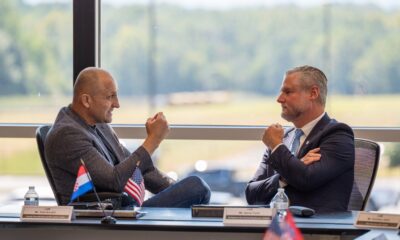

Transzatlanti gyüszmékelés: mi lesz a horvát HIMARS-okkal?Horvátország és az Egyesült Államok katonai együttműködése egyszerre zajlik otthon és a levesen túl
Miközben Horvátország az Egyesült Államokból várja új HIMARS rakéta-sorozatvetőit és Black Hawk helikoptereit, amerikai és balkáni tábornokok egész sora gyűlt...
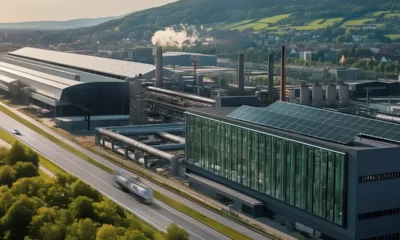

Nemcsak kőolajat finomítanak Fiumeben, jön az ipari hidrogéntermelés isFiumében indul a zöldhidrogén-korszak, miközben a németek már „sütőporban” szállítanák le a hidrogént
Fiumében épül Horvátország első ipari zöldhidrogén-üzeme, amely évente mintegy 1500 tonna hidrogént állíthat elő. Közben Németországban éppen a hidrogéngazdaság egyik...


Vučić választást írt ki, Dodik pedig Jeruzsálemben lett „hadzsia”Választás Szerbiában, hadzsia Jeruzsálemben, Mladić pedig még a sírjából sem hagyja békén a Balkánt
Miközben Szerbia már az októberi előrehozott választásra készül, a Ratko Mladić temetése körül kirobbant botrány tovább gyűrűzik a Balkánon. Milorad...


Persona non grata: Bosznia kiutasít két szerb diplomatátA boszniai külügyminiszter már ma megszakítaná a diplomáciai kapcsolatokat Szerbiával, az EU-tól már nem csak szavakat vár
Persona non grata lett két szerb diplomata Bosznia-Hercegovinában, de Elmedin Konaković külügyminiszter ennél jóval messzebb menne: ha rajta múlna, már...


Tényleg veszélyeztetné Montenegró európai jövőjét Andrija Mandić leváltása?Mandić szerint a múltat élesztik újra ellenfelei, miközben Montenegró az EU kapujában áll
Andrija Mandić szerint éppen akkor akarják eltávolítani a montenegrói parlament éléről, amikor az ország az EU-csatlakozás célegyenesébe fordult. A leváltását...


A levél, amely állítólag nem létezettEgy nem létező levél, két katonai vezető és egy hatalmi konfliktus a haditengerészetben
Darko Vuković, a montenegrói haditengerészet volt parancsnoka hónapok óta áll fegyelmi eljárás alatt egy levél miatt, amely az elnöki hivatal...


Kurti: Az UÇK vezetőit nem a koszovói nép ítélte elA hágai döntés újraélesztette az UÇK iránti "nosztalgiát", kérdés azonban, hogy mit jelent ma a szervezet öröksége?
Albin Kurti elfogadhatatlan igazságtalanságnak nevezte a négy egykori UÇK-vezetőre kiszabott hágai büntetéseket, miközben Pristinában a tiltakozás már az utcáról az...


Elítélték a Koszovói Felszabadítási Hadsereg volt vezetőitSúlyos büntetést kaptak az UÇK volt vezetői, a hágai ítélet felháborodást váltott ki Koszovóban
Súlyos ítélettel zárult Hágában az UÇK négy egykori vezetőjének pere. Hashim Thaçi és társai hosszú börtönbüntetést kaptak, miközben Koszovóban felháborodást...

Fico fejlesztené az öntözést, de Magyarországtól nem venné el a vizetSzlovák öntözés arab pénzből: a Csallóköz alatt rejtőzik Szlovákia egyik legnagyobb kincse
Robert Fico szerint Szlovákiának a súlyos aszály miatt több vizet kell megtartania, de nem érdeke, hogy a tervezett öntözés miatt...


A Janaf kétmillió tonna kőolajat szállít a MOL-nakMegállapodott a Janaf és a MOL: valamivel több mint kétmillió tonna kőolaj szállításáról írtak alá szerződést
Az egyezség a „take-or-pay” elven működik, vagyis a magyar olajipari vállalat a lekötött szállítási kapacitásért akkor is fizet, ha azt...


Szlovákia nem tudja kiváltani PaksotFico felajánlása gesztus vagy valódi segítség: miért nem lehet egyszerűen „áramot küldeni” Magyarországra?
Miközben Magyarország Paks 2-vel nyűglődött, Szlovákia szinte észrevétlenül Közép-Európa egyik legnagyobb villamosenergia-exportőrévé vált. Robert Fico felajánlotta, hogy szükség esetén segít...


A Szekuritáté velünk van! – átvedlett titkosszolga a kormányőrség élénA Szekuritátétól a Kormányőrségig: Lucian Pahonțu ott volt az Intercontinental szállodánál, de a bányászjárásnál és az Egyetem téren is ott lehetett
Harminchat évvel a romániai rendszerváltás után újabb darab került elő a Ceaușescu-rendszer máig rendezetlen múltjából. Lucian Pahonțuról, a román állami...

Magyar irónia – román üzemképtelenségMiközben a cernavodăi atomerőmű teljesen leállt, Paks ma estétől ismét teljes kapacitással termel
Élesen eltérő helyzet alakult ki a román és a magyar nukleáris energiatermelésben: a cernavodăi atomerőmű teljes leállása után távozott az...


Serbia Still Does Not Know How to Bury Ratko MladićThe justice minister initially promised the highest state honours, but has since brought his position into line with Vučić’s
Ratko Mladić’s funeral is becoming an increasingly awkward political issue in Serbia. Justice Minister Nenad Vujić initially spoke of the...


Calls for Red Star Belgrade to Be Banned from All European CompetitionsThe Srebrenica Memorial Center says Red Star crossed a line after messages glorifying Ratko Mladić appeared not only in the stands but also on the club’s official social media channels
Red Star Belgrade supporters’ admiration for Ratko Mladić has hardly been a secret. The late Bosnian Serb general’s name has...


Vučić at the Deliblato Sands: “Only One Field Toilet Burned Down”Serbian president rejects claims that authorities deliberately let the protected nature reserve burn
Serbian President Aleksandar Vučić visited the fire-stricken Deliblato Sands on Sunday morning, meeting firefighters and emergency crews battling the blaze....