
Serbia
Calls for Red Star Belgrade to Be Banned from All European CompetitionsThe Srebrenica Memorial Center says Red Star crossed a line after messages glorifying Ratko Mladić appeared not only in the stands but also on the club’s official social media channels
Red Star Belgrade supporters’ admiration for Ratko Mladić has hardly been a secret. The late Bosnian Serb general’s name has appeared repeatedly, from football stadiums to graffiti-covered walls across Serbia’s northern province of Vojvodina. This time, however, the cult surrounding Mladić has made it onto the European stage


The Srebrenica Memorial Center has formally asked UEFA to permanently exclude Red Star Belgrade from European competitions after supporters glorified Mladić during the club’s match against Viktoria Plzeň and images showing the controversial banner subsequently appeared on Red Star’s official social media channels.
The Srebrenica Memorial Center (Memorijalni centar Srebrenica) is not asking for another fine or a match behind closed doors. It wants the Serbian club permanently excluded from UEFA competitions.
It considers particularly serious the fact that Red Star itself published photographs after the match on its official social media accounts in which the message honouring Mladić was clearly visible.
The match was played in the Czech Republic on August 27, the same day that Ratko Mladić, the former commander of the Bosnian Serb Army, died in The Hague. Mladić had been serving a life sentence after being finally convicted of genocide, crimes against humanity and war crimes.
“General, eternal glory and gratitude”
During the match in Plzeň, Red Star supporters chanted Mladić’s name and displayed a banner reading: “Generale, večna slava i hvala” – “General, eternal glory and gratitude.”
According to the Srebrenica Memorial Center, however, the significance of the incident lies in the fact that it did not end in the stands.
After the game, Red Star’s official social media accounts published photographs in which the banner was plainly visible. The Memorial Center argues that by doing so, the club failed to distance itself from the supporters’ message and instead incorporated it into its own public communications.

One of the central arguments in the complaint is that a club which knowingly uses its official communication channels to distribute messages glorifying a person finally convicted of genocide cannot simply attribute the matter to fan behaviour.
As of Saturday morning, the photograph was still visible on Red Star’s profile, where it had received around 33,000 likes and approximately 3,500 comments.
The Memorial Center therefore argues that the issue is no longer merely one of misconduct in the stands. It also concerns Red Star’s conduct as an institution and its relationship with the principles on which UEFA claims European football is built.
It should also not be overlooked that Serbian President Aleksandar Vučić is himself a Red Star supporter. Red Star, like several other Serbian clubs, receives substantial state support. Critics therefore argue that the relationship between football, nationalism and political power in Serbia cannot simply be ignored.
The club and its supporters
The complaint calls on UEFA to open disciplinary proceedings urgently and, crucially, not to treat the supporters’ behaviour and the club’s own communications as entirely separate matters.
According to the Srebrenica Memorial Center, the incident may fall under several provisions of UEFA’s disciplinary rules, including those concerning discriminatory conduct, attacks on human dignity, unacceptable political or ideological messages at sporting events, and behaviour damaging the reputation of football and UEFA itself.
Nor is this the first time Red Star has faced a UEFA disciplinary issue involving the glorification of Ratko Mladić.
The Memorial Center specifically recalled an earlier case in which UEFA concluded that praise for Mladić could not simply be regarded as support for an individual because of its offensive implications for victims persecuted on ethnic and religious grounds.
This time, however, the Memorial Center argues that there is an additional element: the message was not confined to the supporters. The club’s own media channels helped disseminate it.
That is why it is now demanding permanent exclusion.
Serbia sees it very differently
The reaction in Serbia also illustrates the enormous gulf that still exists over the legacy of Ratko Mladić.
Sportinjo, for example, responded indignantly in its headline: “Are you people normal?! Srebrenica demands Red Star be expelled from European competitions.”

Related article
Who is bothered – and who is not – by graffiti glorifying a war criminal in Subotica?
The outlet described the Memorial Center’s demand as “complete nonsense” and a “crazy request”. More significantly, it did not present Mladić primarily as a finally convicted war criminal, but as a man who, according to its interpretation, ended up in The Hague because he had “defended his own people” during the war.
Sportinjo wrote that Mladić had been declared a war criminal “by some”, while describing him as a “great Serbian military commander”. It defended Red Star’s position by arguing that, as a “great Serbian club”, it stands behind the great figures of Serbian history.
That wording perhaps illustrates the underlying problem more clearly than the UEFA complaint itself.

Mladić is not a war criminal because “some people” regard him as one. His criminal responsibility was established by a final judgment of an international tribunal, including for the 1995 Srebrenica genocide.
The two narratives therefore have virtually no common ground. What is regarded in Srebrenica as the humiliation of victims and the glorification of a military commander convicted of genocide is treated in Serbian nationalist discourse as historical remembrance and patriotic duty.
Red Star and UEFA had not responded to the Memorial Center’s complaint at the time of writing.
It is also worth noting that Sportinjo.rs grew out of the sports section of the pro-government Informer and operates as its sports-focused outlet, meaning that its editorial and ownership background belongs to the Informer media environment.
That makes the framing somewhat easier to understand.
Mladić’s name has appeared before
There is another aspect of the affair that will be familiar to BALK readers. The Mladić cult among Red Star ultras, particularly those associated with the Delije supporters’ scene, has never been confined to football stadiums.
In April, BALK reported on graffiti glorifying Mladić in Bačka Topola, a predominantly ethnic-Hungarian town in Vojvodina. The graffiti also bore a marking associated with Delije.
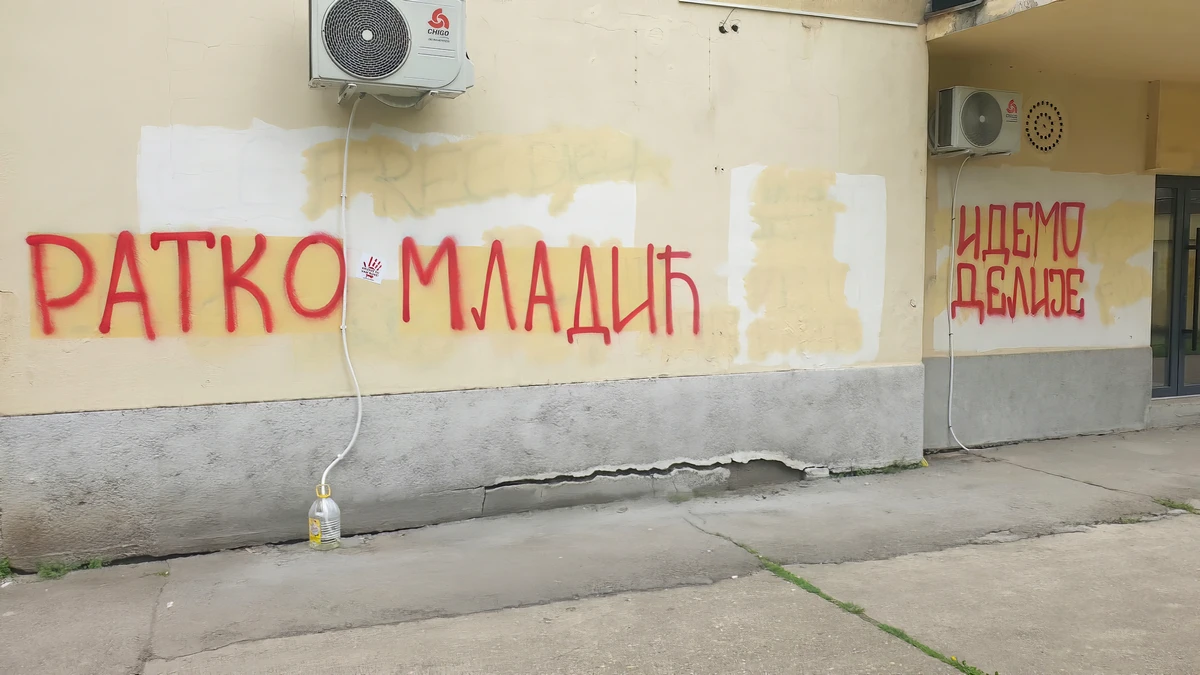
The graffiti in Bačka Topola that prompted Péter Cservenák to write that Ratko Mladić was a war criminal. The smaller inscription on the right refers to Red Star Belgrade’s Delije supporter group.
When Dr Péter Cservenák, an opposition member of the local municipal assembly and vice-president of the Vojvodina Hungarian Plenum, wrote on Facebook that “Ratko Mladić is a war criminal”, the dispute soon moved beyond social media.
Someone subsequently wrote “Ratko Mladić heroj” – “Ratko Mladić is a hero” – in red marker on the door of Cservenák’s apartment.

It was not an isolated incident. BALK had previously documented graffiti praising Mladić in Subotica and Sombor, some of it likewise accompanied by symbols associated with Red Star’s supporter scene.
That background matters in the current UEFA case because the same political phenomenon can be seen both on walls in Vojvodina and in the stands at a European football match involving Red Star supporters.
The Srebrenica complaint adds a new dimension: once the club itself distributes images carrying the message, the Memorial Center argues, responsibility can no longer simply be shifted onto the ultras.
From the terraces to politics
The relationship between Red Star’s supporter culture and Serbian politics did not begin yesterday.
Serbian President Aleksandar Vučić has himself spoken about his past as a football supporter, while Red Star occupies a place in contemporary Serbia that goes well beyond that of an ordinary sports club. The political, nationalist, criminal and street presence associated with parts of its ultra scene has repeatedly extended beyond football.
From this perspective, the Mladić graffiti are not merely random acts of vandalism. They keep a particular interpretation of the wars of the 1990s permanently visible in public space.
The Bačka Topola case was particularly revealing. There, the message reached the front door of an ethnic-Hungarian local politician simply because he stated something that international criminal justice had established long ago.
Now the same cult has moved from the streets of Vojvodina into the European spotlight at a UEFA match.
The Srebrenica Memorial Center therefore wants this case to end with more than a fine or a handful of matches behind closed doors. It wants Red Star excluded.
Whether UEFA would ever go that far is another matter entirely. Permanent exclusion would be an extraordinarily severe and unprecedented sanction, and for now this remains a demand by the Srebrenica Memorial Center – not a decision by UEFA.
Red Star, meanwhile, has already done its bit on the pitch to spare European football’s governing body some of the trouble. The Belgrade side lost 5–1 in Plzeň and were eliminated from the Europa League.
If Red Star continue playing like that, a ban may prove unnecessary: the Belgrade club appears perfectly capable of keeping itself out of Europe.
Kizáratnák a Crvena Zvezdát az összes európai kupából.


A Nova.rs kivégzése: új főszerkesztő vagy végkielégítés

Szövetkeznek a horvátok és a szerbek Bosznia-Hercegovinában

Így szervezik a verőembereket és vásárolják a szavazatokat Szerbiában

Szemétégető erőművek: Horvátország négy létesítményt tervez

Pandora visszakacsint, több mint egy korrupciós ügy?

Megszálltság és megszállottság (FEST ’26)

Dodik már érzi, hogy Vučić győzni fog

Orbán, Kapitány, a főnök, a kukta és a pohárnokAz Adria-kőolajvezeték Zágrábban összehozta a magyar és horvát minisztereket, miközben Splitből Szerbia kapott egy politikai figyelmeztetést.

Pásztor Bálint haladó lózungokkal kampányol: ha nincs VMSZ, „vége a közösségnek”Pásztor Bálint szerint veszélyes lehet az Egyetemista listára adott magyar szavazat, miközben nő az elégedetlenség
Dodik már érzi, hogy Vučić győzni fogDodik már érzi Vučić győzelmét, a rendőrség pedig gondoskodott a nagybecskereki kampánygyűlés nyugalmáról

A titkosszolgálatok is megmozdultak a Rybarért, visszatérne a BalkánraÖt orosz, egy elkobzott drónkészlet és néhány befolyásos moszkvai támogató – különös filmforgatás Montenegróban
Szemétégető erőművek: Horvátország négy létesítményt tervezA szemétből energia lehet, de a horvát hulladékpolitika körül leginkább az indulatok szabadultak el

A független választási megfigyelő Vučićék legnagyobb ellensége?A hatalom a független választási megfigyelőket támadja, a CRTA pedig tovább számolja a szabálytalanságokat

A Rybar fennakadt a montenegrói hálónA montenegrói titkosszolgálat öt oroszt kapcsolt le, miközben Moszkva már fogolycserét emleget

Orbán, Kapitány, a főnök, a kukta és a pohárnokAz Adria-kőolajvezeték Zágrábban összehozta a magyar és horvát minisztereket, miközben Splitből Szerbia kapott egy politikai figyelmeztetést.
Magyarország és Horvátország az Adria-kőolajvezeték kapacitásáról, a krki LNG-terminálról és egy közös gázmezőről tárgyalt Zágrábban. Eközben a MED9 Spliti Nyilatkozata...


Miért félnek a magyarok utasokat felengedni a Sólyomra?A Sólyom repülne, de egyelőre utasok nélkül: Magyarország teszteli a Belgrád–Budapest gyorsvasutat
Hét hónap alatt sok minden történhet egy vasútvonallal, különösen akkor, ha közben beiktatnak egy kormányváltást történik az egyik végén, a...

Kiss Ernő utolsó nyolc éve levelei tükrébenEz nem egy szokásos október 6-i megemlékezés, ezúttal megmutatunk valamit, amihez az olvasó máshol sehogy sem férhet hozzá
Október 6-án az aradi vértanúkra emlékezünk, Kiss Ernőről azonban ezúttal nem a kivégzés történetét meséljük el. Előkerült egy mindössze ötven...

Megszálltság és megszállottság (FEST ’26)Usztasa múlt, bojkott és életműdíj: Lordan Zafranović újabb aligátort engedett a balkáni mocsárba
Lordan Zafranović horvát filmrendezőnek sikerült ismét olyan sebeket feltépnie, amelyek a Balkánon sohasem gyógyultak be igazán. A Kozara gyermekei című,...


Marina, Marina, Marina (M. V. végső búcsújára)Egy Marina, egy Viszockij, néhány film és egy Fítyóka – egy világsztár története magyar kitérőkkel
Marina Vlady neve egy egész korszakot idéz: francia filmeket, Cannes-t, Jancsó Miklóst és Mészáros Mártát, mindenekelőtt pedig Vlagyimir Viszockijt. De...

Bolondmese: látod, hallod – vágod? (Bicskei & Bakos a Fonóban)Bolondmese a pusztáról, világzene a Fonóból – Bicskei Zoltán és Bakos Árpád közös estje
Van úgy, hogy a puszta bolondja egészen a budapesti Fonóig gurul, és még csak lábra sincs szüksége hozzá. Bicskei Zoltán...
A Nova.rs kivégzése: új főszerkesztő vagy végkielégítésA választások előtt tíz nappal ultimátumot kaptak az ellenékinek nevezhtő Nova.rs hírportál újságírói
A szerbiai Nova.rs újságíróinak kevesebb mint 48 órát adott az új vezetés annak eldöntsére, hogy elfogadják-e a szerkesztőség által elutasított...

Így szervezik a verőembereket és vásárolják a szavazatokat SzerbiábanA BIRN-nek kitálaló volt SNS-aktivista verőlegényekről, fegyverekről és szavazatvásárlásról beszélt
A Szerb Haladó Párt kulisszái mögé enged bepillantást egy egykori pártaktivista vallomása, amelyből kiderül, mennyit ér egy verőember, hogyan lehet...

Szemétégető erőművek: Horvátország négy létesítményt tervezA szemétből energia lehet, de a horvát hulladékpolitika körül leginkább az indulatok szabadultak el
Négy új szemétégető erőművel próbálna rendet vágni Horvátország a rohamosan növekvő hulladékhegyek között. A kormány terve szerint az első létesítmény...

A Janaf nem vész el, csak átalakulHorvátország új energetikai óriást építene, a MOL pedig lassan kénytelen lesz megbarátkozni a gondolattal
Horvátországban lassan összeáll a kép: ha az INA visszaszerzése nem sikerült, akkor építenek helyette valami mást. A JANAF átalakítása mögött...

Szövetkeznek a horvátok és a szerbek Bosznia-HercegovinábanAz egymással szövetkező Dodik és Čović a nagyköveti posztoktól a titkosszolgálatokig átbútorozná a hatalmat
Bosznia-Hercegovinában a választások után lassan kiderül, hogy nem feltétlenül az lesz az úr, aki a legtöbb szavazatot kapta, hanem az,...


Boszniai választások: véget ért a Komšić-korszak, a Dodik-korszak viszont tovább tartA boszniai horvátok visszavették a nekik járó elnökségi széket, a szerbeknél fölényes, a bosnyákoknál szoros győzelem született
Bosznia-Hercegovina választások 2026: a vasárnapi választások egyik legfontosabb eredménye, hogy Darijana Filipović győzelmével a horvátok visszaszerezték azt a helyet, amelyet...

Pandora visszakacsint, több mint egy korrupciós ügy?A Pandora-iratok ötödik évfordulóján pezsgőt bonthat a volt montenegrói elnök és fia?
Öt év alatt egy országban kormányok bukhatnak meg, politikai rendszerek alakulhatnak át, és még az Európai Unió kapuja is közelebb...
A titkosszolgálatok is megmozdultak a Rybarért, visszatérne a BalkánraÖt orosz, egy elkobzott drónkészlet és néhány befolyásos moszkvai támogató – különös filmforgatás Montenegróban
A montenegrói hatóságok nemzetbiztonsági kockázatra hivatkozva kiutasították Mihail Zvincsukot, a Rybar orosz információs hálózat alapítóját és négy munkatársát. A Belgrádon...

Koszovó az utolsó percekben kerülte el az újabb választástHárom perccel éjfél után lett elnöke Koszovónak, de a jogászok szerint ettől még érvényes lehet a választás
Justina Shiroka-Pula 81 szavazattal lett Koszovó új elnöke, miközben a szavazás eredménye már három perccel az alkotmányos határidő lejárta után...


Vučić beszéde: az Informer szerint ezt várta az egész világVučić New Yorkban a világot igazította helyre, az Informer pedig apukával és anyukával erősített
Aleksandar Vučić talán utolsó nagy elnöki beszédét mondta el az ENSZ-ben. Koszovó, NATO és Horvátország mellett az Informer gondoskodott a...
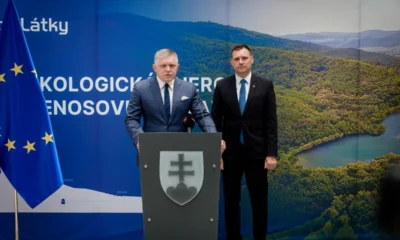

Megremegett a kormány Fico kezébenTaraba bukása után már nem egy miniszteri szék, hanem Robert Fico parlamenti többsége került veszélybe
Harminchárom év után ismét megbuktatott egy minisztert a szlovák parlament, Tomáš Taraba távozása azonban csak a látványos rész, aminek súlyos...


Fico fejlesztené az öntözést, de Magyarországtól nem venné el a vizetSzlovák öntözés arab pénzből: a Csallóköz alatt rejtőzik Szlovákia egyik legnagyobb kincse
Robert Fico szerint Szlovákiának a súlyos aszály miatt több vizet kell megtartania, de nem érdeke, hogy a tervezett öntözés miatt...
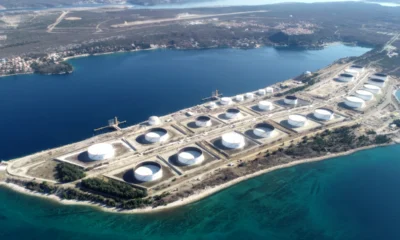

A Janaf kétmillió tonna kőolajat szállít a MOL-nakMegállapodott a Janaf és a MOL: valamivel több mint kétmillió tonna kőolaj szállításáról írtak alá szerződést
Az egyezség a „take-or-pay” elven működik, vagyis a magyar olajipari vállalat a lekötött szállítási kapacitásért akkor is fizet, ha azt...
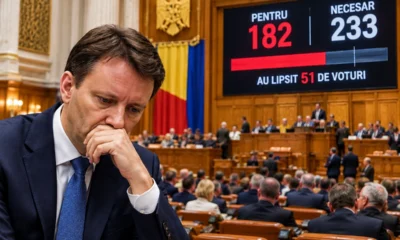

A román államfő elzárkózik az előrehozott választások kihirdetésétőlBukott a Mureșan-kormány, de az államfő még nem engedné az előrehozott választásokat Romániában
Romániában az alkotmány betűje szerint lassan az előrehozott választásokat kellene tartani, az államfő azonban inkább a sorok között olvas. Siegfried...
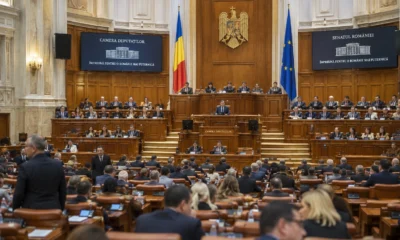

Románia úton a leminősítés és az előrehozott választások feléSiegfried Mureșan alakítana kormányt Bukarestben, Románia azonban inkább az előrehozott választások felé sodródik
A román államfő csütörtökön jelentette be, hogy Siegfried Muresant kéri fel kormányalakításra, miután a két korábbi miniszterelnök-jelölt nem tudta megszerezni...
