
Serbia
Serbia wildfire: Deliblato Sands burns while Vučić campaignsAs the Deliblato Sands burns, Aleksandar Vučić remains firmly on the campaign trail
The Serbia wildfire raging across the Deliblato Sands has been contained in several areas, but the battle is far from over. Hundreds of firefighters, helicopters and a Russian IL-76 are still fighting the blaze, while Serbia has also requested assistance through the EU Civil Protection Mechanism

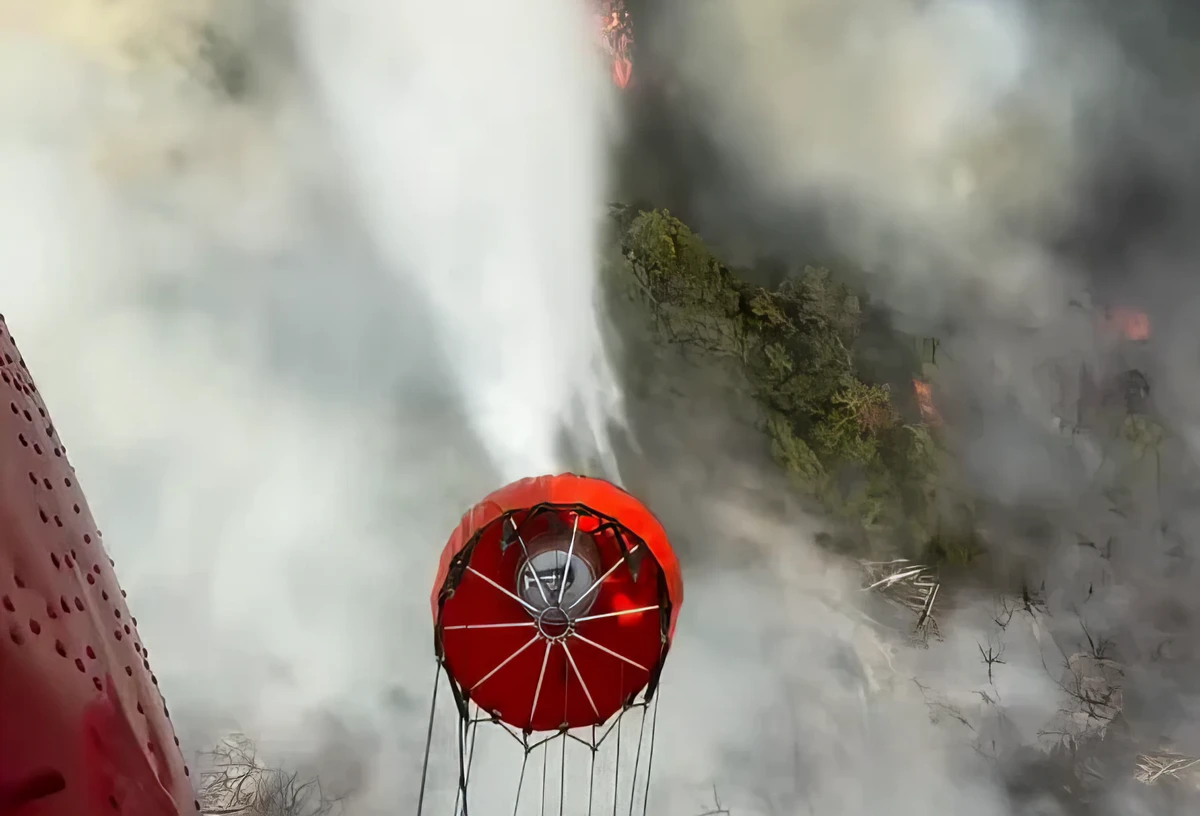

The Serbia wildfire in the Deliblato Sands has been contained in several areas, but the battle is far from over.
Serbian police say firefighters have managed to contain the blaze that threatened the villages of Grebenac, Kajtasovo and Trujino naselje. Thick smoke and flames, however, were still visible in the direction of Grebenac on Friday morning, while the situation around Šušara remained critical.
N1’s reporter at the scene described extremely dense smoke along the road towards Grebenac, making it difficult to breathe in places. Conditions are changing from minute to minute as the wind picks up and frequently changes direction. The fire on the stretch between Kajtasovo and Bavanište, however, has been contained.
The latest figures show that 435 firefighters and members of specialised units are working in the affected area. Personnel from Serbia’s Interior Ministry and armed forces are involved in the operation, along with aerial firefighting units.
No injuries have been reported so far, but the wildfire has already burned through approximately 3,500 hectares of forest.
Serbia wildfire: The Il-76 can carry more than 40 tonnes of water
A Russian Il-76 firefighting aircraft joined the operation on Thursday. The aircraft can carry more than 40 tonnes of water on a single mission. According to N1, the Russian aircraft carried out three sorties over the Deliblato Sands on its first day of operations.
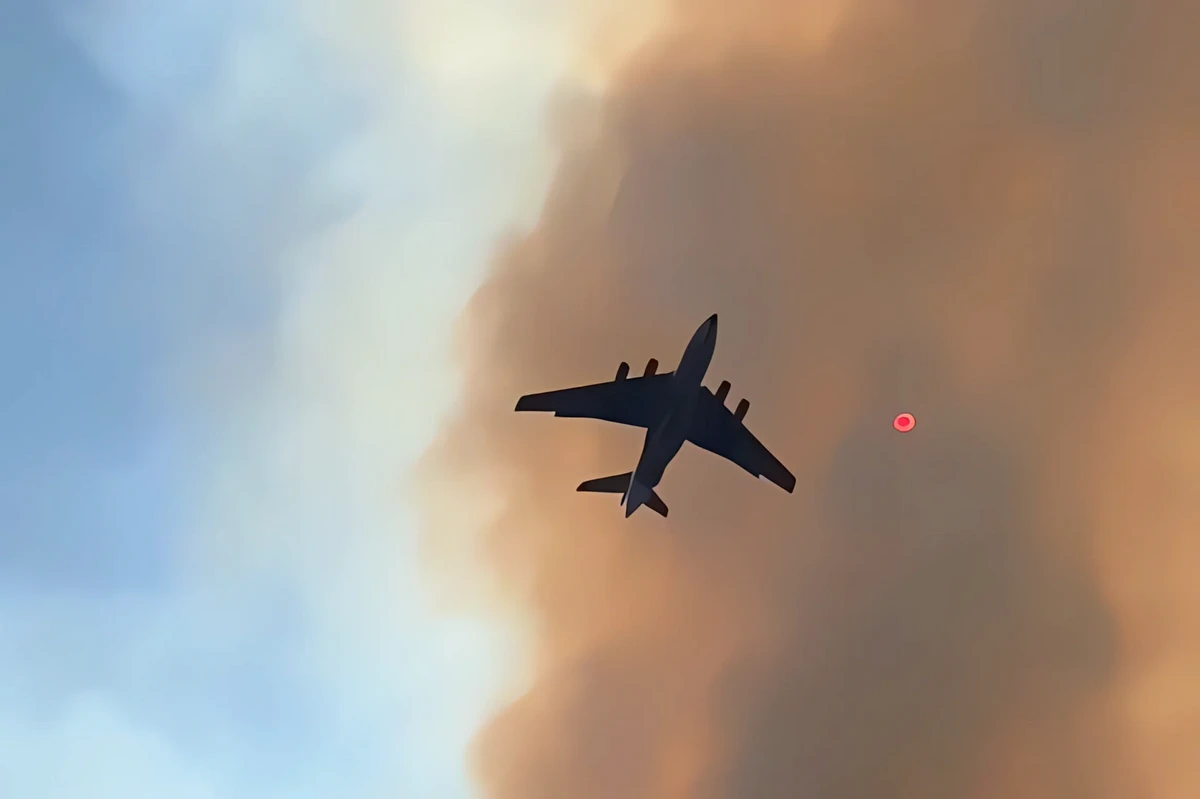
Solar eclipse over the Deliblato Sands, with the Russian IL-76 flying overhead carrying 42 tonnes of water (Source: Instagram)
The aircraft is based at Niš Constantine the Great Airport. There is a technical reason for this: unlike firefighting aircraft capable of scooping up water while flying over the sea or a sufficiently large lake, the Il-76 has to land and have its tanks refilled on the ground.
Petar Vojinović, founder of the Tango Six aviation portal, said the arrival of the Il-76 represented a significant reinforcement, but cautioned against treating the aircraft as some kind of miracle weapon capable of extinguishing a fire of this scale in just a few sorties.
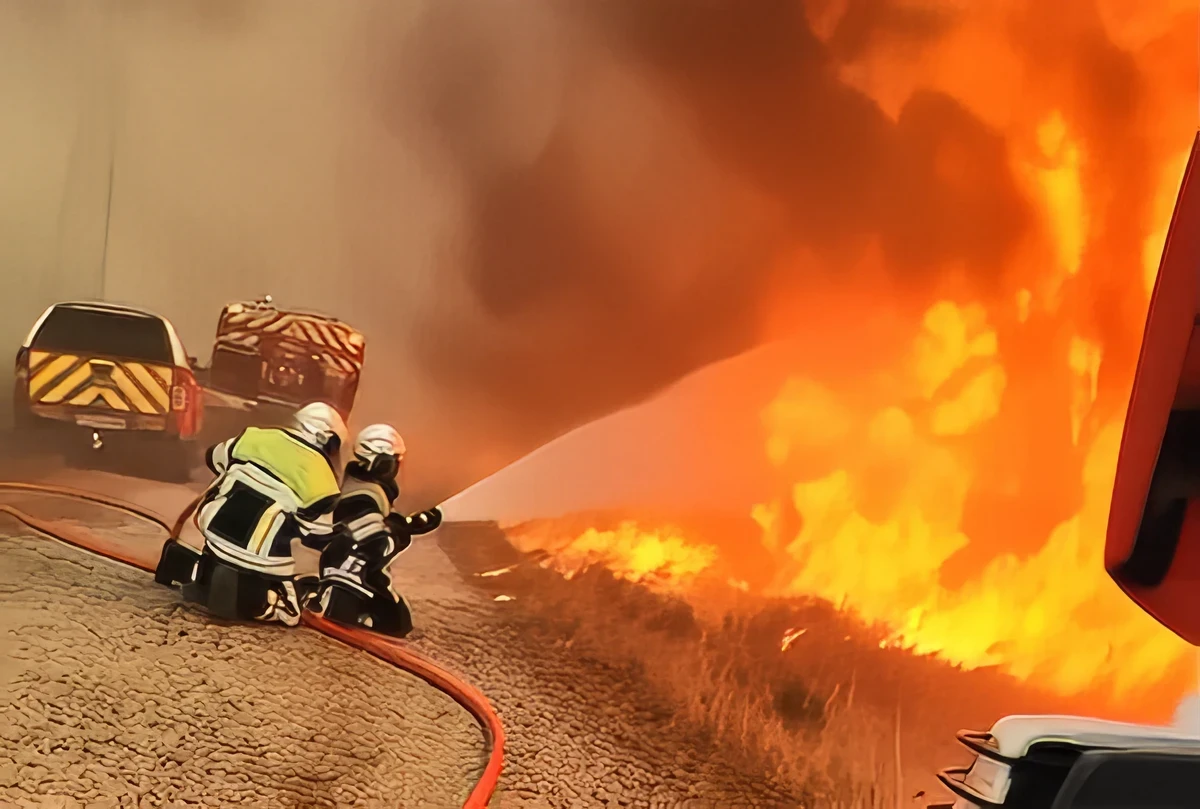
Serbian firefighters – quite literally – on the fire line (Source: Instagram)
One of the main advantages of the aircraft’s enormous water capacity is its ability to drop a large volume of water over a specific area, helping prevent the fire from spreading laterally and protecting threatened settlements and buildings.
Helicopters, meanwhile, carry considerably less water – around four to five tonnes – but can operate with much greater flexibility. Effective aerial firefighting therefore depends on combining aircraft with different capabilities.
Serbia initially did not request EU assistance for the Deliblato Sands wildfire
The deployment of the Russian Il-76 added another dimension to the question of foreign assistance. The European Commission initially told N1 that Serbia had not activated the European Union Civil Protection Mechanism in response to the Deliblato Sands wildfire and had therefore not requested international firefighting assistance through that channel.
This was noteworthy because Serbian Interior Minister Ivica Dačić had stressed following the arrival of the Russian aircraft that no firefighting aircraft with a capacity comparable to the Il-76 was currently available through the EU mechanism.
Those two statements, however, are not the same thing. The European Commission’s response showed that Belgrade had not activated the mechanism in the first place, meaning it had not been established in practice what other aerial or ground-based assistance the European Union might have been able to mobilise.
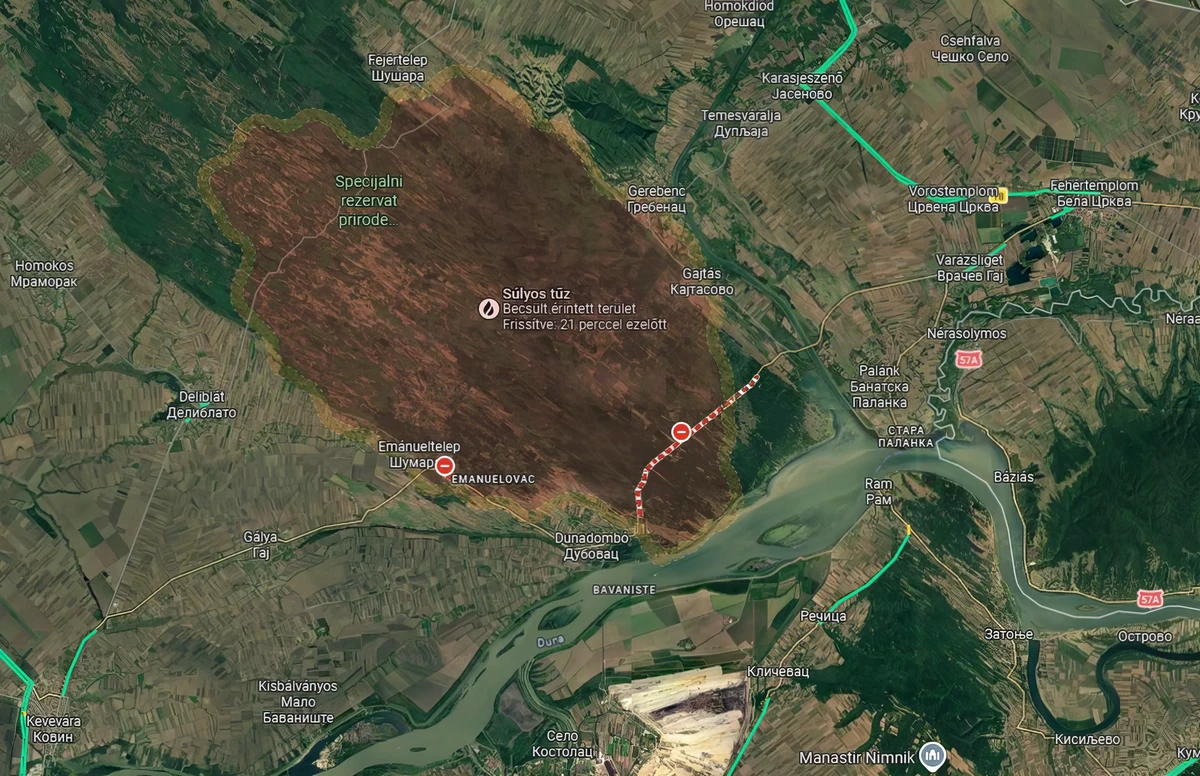
This is where the flames are raging. Source: Google
Brussels said that if Serbia activated the mechanism in the following hours or days, the European Commission would immediately begin coordinating with European partners to mobilise assistance corresponding to the actual needs on the ground.
Serbia had nevertheless already requested a different form of assistance from the European Union. At Belgrade’s request, the EU provided satellite imagery through its Copernicus programme to support local firefighting units.
The sequence of events cast the debate surrounding Russian assistance in a different light. Moscow said Serbia had specifically turned to Russia for help, while at that point Belgrade had not activated the EU Civil Protection Mechanism.
That changed on Friday afternoon. Luka Čaušić, head of the Emergency Situations Sector of Serbia’s Interior Ministry, announced that Serbia had subsequently activated the European mechanism and requested assistance.
Čaušić told reporters that Serbia had asked for an aircraft capable of carrying more than ten tonnes of water at a time, five helicopters each capable of transporting more than four tonnes of water, and ten ground vehicles suitable for deployment in the sandy terrain.
Animals also had to be moved to safety (Source: Instagram)
He also said Serbia had not requested Canadair water-bombing aircraft because there was no suitable body of water in the area from which they could scoop up water.
There may also have been a political consideration behind the timing of Serbia’s request for Russian assistance. It would hardly have made for a convenient image if Aleksandar Vučić had been hosting Ukrainian President Volodymyr Zelenskyy while a Russian Il-76 firefighting aircraft was arriving in Serbia to help battle the wildfires. There is no evidence that Belgrade delayed asking Moscow for assistance for this reason, so this can only be raised as a possible political consideration. From a communications perspective, however, the timing would certainly have been awkward.
The episode also illustrates the increasingly delicate balancing act of Serbian foreign policy, as Belgrade seeks to maintain ties with Moscow while improving relations with Kyiv and pursuing its declared path towards the European Union.
What is the Serbian president doing meanwhile? Campaigning
While firefighters, soldiers and aerial units battle the flames in the Deliblato Sands, Aleksandar Vučić has been breaking a rather different kind of record.
According to figures compiled by CRTA (Centre for Research, Transparency and Accountability), the Serbian president made 64 live television appearances during the first 18 days of August. Before even reaching the final third of the month, he had already broken his own record from March 2025, when he appeared live 61 times.
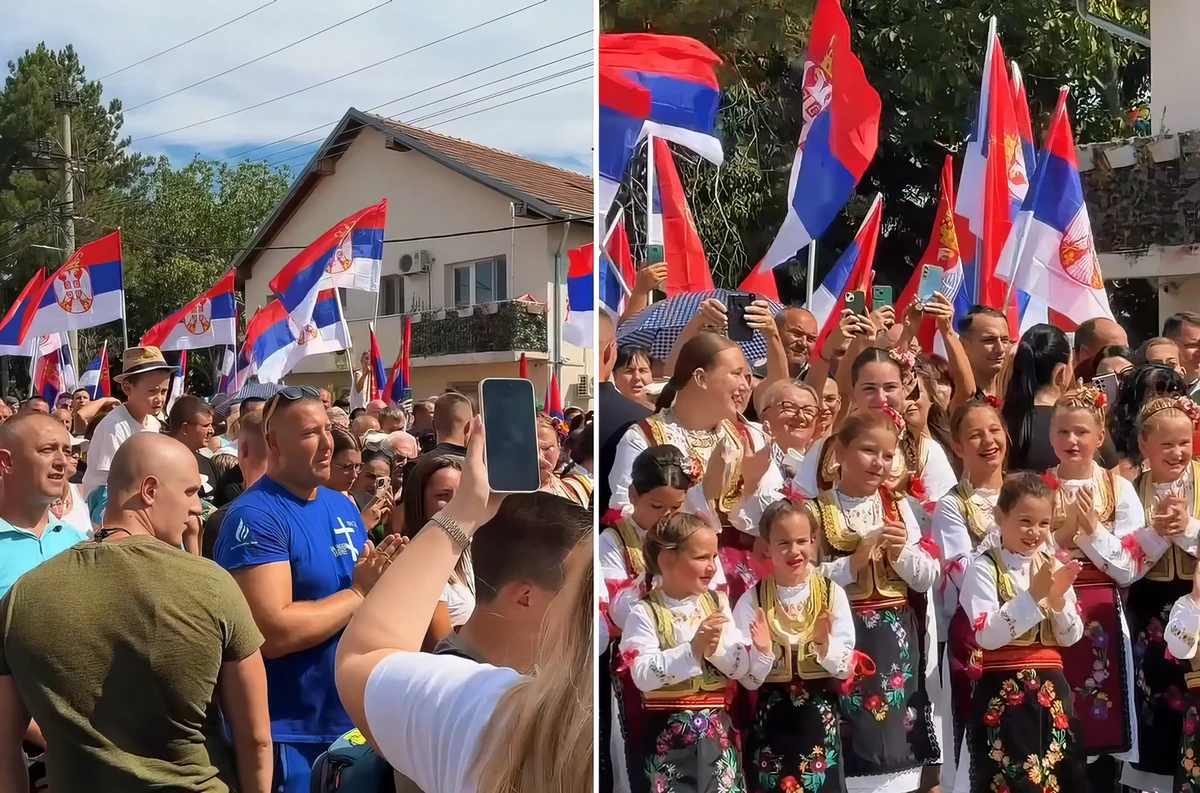
On Friday, people carrying flags and dressed in traditional costumes waited for the Serbian president in Provo, in the municipality of Vladimirci, where Aleksandar Vučić inspected construction work on the new Jovan Cvijić Primary School and spoke to local residents. Vučić said that smaller communities need good schools, healthcare institutions and jobs if they are to have a future – a theory that tends to receive particular attention ahead of elections. The Serbian president, meanwhile, did not go anywhere near the Deliblato Sands, leaving Interior Minister Ivica Dačić and Prime Minister Đuro Macut to visit the affected area instead (Source: Serbian president’s Instagram)
CRTA ironically compared the pace of Vučić’s television appearances to the inflation of the 1990s, adding that August was not over yet – and neither was the day.
But there is a serious issue behind the joke. Rade Veljanovski, a retired university professor quoted by Danas, argued that the extraordinary number of presidential appearances points to the unscrupulous exploitation of the public sphere and to Serbia’s serious problems with media pluralism.
Serbian elections: October 18 or 25
There is also an obvious political explanation for the extraordinary level of media activity. According to Vučić, Serbia’s snap parliamentary elections could, under the current plans, be held on October 18 or October 25, with a final decision expected within days.
At BALK, our response is rather simpler: we’ll believe it when we see it.
The Serbian president has already outlined how he sees the electoral contest: the Serbian Progressive Party and its allies on one side, and – in his interpretation – everybody else on the other.
Particularly noteworthy in this context was Vučić’s assertion that, as president of the Republic, he had no intention of using his office for party-political purposes.
That claim is difficult to reconcile with his near-daily discussion of his own political camp, its electoral plans and its opponents, not to mention his almost permanent presence in Serbia’s media.
Vučić on the road, pro-government media on standby
The Serbian president’s Friday schedule alone illustrates the scale of this campaign-like activity.

According to his official programme, Vučić is travelling through Sremska Mitrovica, Bogatić – where he is not particularly popular – Vladimirci, Koceljeva, Ub, Medveđa, Lebane and Bojnik.
His itinerary includes inspections of motorway and expressway construction, a school project, a company and a local market, followed by meetings with socially vulnerable families.
All of this, naturally, is presented as part of the president’s official programme.
But with elections that Vučić himself is already envisioning for October only weeks away, several television appearances a day and the constant transmission of political messages associated with the Serbian Progressive Party (SNS), it is becoming increasingly difficult to determine where presidential duties end and election campaigning begins.
One thing, however, seems certain: by the time Vučić finishes his Friday tour, Serbia’s pro-government media are unlikely to have any difficulty finding material with which to fill their evening news programmes.
This English version was prepared with the assistance of ChatGPT. The original Hungarian article is available here: Míg ég a Delibláti-homokpuszta, Vučić zavartalanul kampányol.


Orbán, Kapitány, a főnök, a kukta és a pohárnokAz Adria-kőolajvezeték Zágrábban összehozta a magyar és horvát minisztereket, miközben Splitből Szerbia kapott egy politikai figyelmeztetést.
Magyarország és Horvátország az Adria-kőolajvezeték kapacitásáról, a krki LNG-terminálról és egy közös gázmezőről tárgyalt Zágrábban. Eközben a MED9 Spliti Nyilatkozata...


Miért félnek a magyarok utasokat felengedni a Sólyomra?A Sólyom repülne, de egyelőre utasok nélkül: Magyarország teszteli a Belgrád–Budapest gyorsvasutat
Hét hónap alatt sok minden történhet egy vasútvonallal, különösen akkor, ha közben beiktatnak egy kormányváltást történik az egyik végén, a...

Kiss Ernő utolsó nyolc éve levelei tükrébenEz nem egy szokásos október 6-i megemlékezés, ezúttal megmutatunk valamit, amihez az olvasó máshol sehogy sem férhet hozzá
Október 6-án az aradi vértanúkra emlékezünk, Kiss Ernőről azonban ezúttal nem a kivégzés történetét meséljük el. Előkerült egy mindössze ötven...



Marina, Marina, Marina (M. V. végső búcsújára)Egy Marina, egy Viszockij, néhány film és egy Fítyóka – egy világsztár története magyar kitérőkkel
Marina Vlady neve egy egész korszakot idéz: francia filmeket, Cannes-t, Jancsó Miklóst és Mészáros Mártát, mindenekelőtt pedig Vlagyimir Viszockijt. De...

Bolondmese: látod, hallod – vágod? (Bicskei & Bakos a Fonóban)Bolondmese a pusztáról, világzene a Fonóból – Bicskei Zoltán és Bakos Árpád közös estje
Van úgy, hogy a puszta bolondja egészen a budapesti Fonóig gurul, és még csak lábra sincs szüksége hozzá. Bicskei Zoltán...


Békavári emlékek (Kanizsa +)Békát ugyan nem szolgálnak fel, de íróból, halból és történetekből nincs hiány a Tisza partján
Van, ahol a békából királyfi lesz, máshol Csáth Géza darabolja fel, Magyarkanizsán viszont még az étlapra sem sikerült felkapaszkodnia. A...

Dodik már érzi, hogy Vučić győzni fogDodik már érzi Vučić győzelmét, a rendőrség pedig gondoskodott a nagybecskereki kampánygyűlés nyugalmáról
A szerbiai választások előtt két héttel Milorad Dodik már a győzelmi ünnepségre készül, Aleksandar Vučić pedig a miniszterelnöki széket nézegeti....

A titkosszolgálatok is megmozdultak a Rybarért, visszatérne a BalkánraÖt orosz, egy elkobzott drónkészlet és néhány befolyásos moszkvai támogató – különös filmforgatás Montenegróban
A montenegrói hatóságok nemzetbiztonsági kockázatra hivatkozva kiutasították Mihail Zvincsukot, a Rybar orosz információs hálózat alapítóját és négy munkatársát. A Belgrádon...

A Janaf nem vész el, csak átalakulHorvátország új energetikai óriást építene, a MOL pedig lassan kénytelen lesz megbarátkozni a gondolattal
Horvátországban lassan összeáll a kép: ha az INA visszaszerzése nem sikerült, akkor építenek helyette valami mást. A JANAF átalakítása mögött...


Az EU költségvetéséről tanácskozik Dél-Európa SplitbenSplitben a mediterrán kilencek már a brüsszeli nagy meccsre melegítenek: pénzről, bővítésről és a Nyugat-Balkánról egyeztetnek
Nyolc nappal az Európai Tanács brüsszeli ülése előtt Splitben gyűlik össze az Európai Unió mediterrán kilence, így a MED9 csúcstalálkozó...

A Rybar fennakadt a montenegrói hálónA montenegrói titkosszolgálat öt oroszt kapcsolt le, miközben Moszkva már fogolycserét emleget
Az orosz Rybar információs hálózat vezetője, Mihail Zvincsuk a Balkánon forgatott dokumentumfilm-sorozatot, amikor a montenegrói biztonsági szolgálatok úgy döntöttek, hogy...


Boszniai választások: véget ért a Komšić-korszak, a Dodik-korszak viszont tovább tartA boszniai horvátok visszavették a nekik járó elnökségi széket, a szerbeknél fölényes, a bosnyákoknál szoros győzelem született
Bosznia-Hercegovina választások 2026: a vasárnapi választások egyik legfontosabb eredménye, hogy Darijana Filipović győzelmével a horvátok visszaszerezték azt a helyet, amelyet...

Montenegró EU-tag lehet 2028-ban, de előbb túl kell élnie 2027-etBrüsszel már 2028-ra készül, Montenegrónak azonban előbb a 2027-es választást kell túlélnie
Montenegró EU-tag lehet 2028-ban, legalábbis Brüsszelben továbbra is hisznek abban, hogy a kis balkáni ország elsőként érhet célba a jelenlegi...

Mandić maradt, a montenegrói parlament viszont újabb válságbanMontenegró Brüsszel felé tart, de Andrija Mandić megakaszthatja az ország EU-csatlakozását
Montenegró keze már szinte az Európai Unió ajtajának kilincsén van, de a szerb nacionalizmus időnként még mindig közbeszól. Andrija Mandić...

Koszovó az utolsó percekben kerülte el az újabb választástHárom perccel éjfél után lett elnöke Koszovónak, de a jogászok szerint ettől még érvényes lehet a választás
Justina Shiroka-Pula 81 szavazattal lett Koszovó új elnöke, miközben a szavazás eredménye már három perccel az alkotmányos határidő lejárta után...


Vučić beszéde: az Informer szerint ezt várta az egész világVučić New Yorkban a világot igazította helyre, az Informer pedig apukával és anyukával erősített
Aleksandar Vučić talán utolsó nagy elnöki beszédét mondta el az ENSZ-ben. Koszovó, NATO és Horvátország mellett az Informer gondoskodott a...

Megremegett a kormány Fico kezébenTaraba bukása után már nem egy miniszteri szék, hanem Robert Fico parlamenti többsége került veszélybe
Harminchárom év után ismét megbuktatott egy minisztert a szlovák parlament, Tomáš Taraba távozása azonban csak a látványos rész, aminek súlyos...


Fico fejlesztené az öntözést, de Magyarországtól nem venné el a vizetSzlovák öntözés arab pénzből: a Csallóköz alatt rejtőzik Szlovákia egyik legnagyobb kincse
Robert Fico szerint Szlovákiának a súlyos aszály miatt több vizet kell megtartania, de nem érdeke, hogy a tervezett öntözés miatt...

A Janaf kétmillió tonna kőolajat szállít a MOL-nakMegállapodott a Janaf és a MOL: valamivel több mint kétmillió tonna kőolaj szállításáról írtak alá szerződést
Az egyezség a „take-or-pay” elven működik, vagyis a magyar olajipari vállalat a lekötött szállítási kapacitásért akkor is fizet, ha azt...
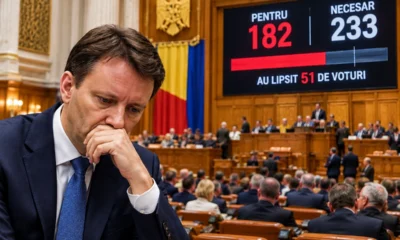

A román államfő elzárkózik az előrehozott választások kihirdetésétőlBukott a Mureșan-kormány, de az államfő még nem engedné az előrehozott választásokat Romániában
Romániában az alkotmány betűje szerint lassan az előrehozott választásokat kellene tartani, az államfő azonban inkább a sorok között olvas. Siegfried...
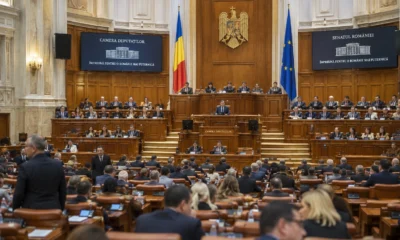

Románia úton a leminősítés és az előrehozott választások feléSiegfried Mureșan alakítana kormányt Bukarestben, Románia azonban inkább az előrehozott választások felé sodródik
A román államfő csütörtökön jelentette be, hogy Siegfried Muresant kéri fel kormányalakításra, miután a két korábbi miniszterelnök-jelölt nem tudta megszerezni...
