
English
Could Gazprom Make a Bid for MOL After the War in Ukraine?Forward Russian Outpost: The Americans Keep Threatening Sanctions, Yet Somehow There's Always More Time for NIS
NIS has received another thirty-day waiver from U.S. sanctions, but judging by the narratives circulating in Serbia’s pro-government media, the real question is no longer what will happen to the Serbian oil company. The bigger issue is who will ultimately control influence over the region’s energy policy. Analysts close to the regime speak simultaneously about American pressure, Russian strategic interests and the potential role of MOL, while increasingly bold scenarios continue to emerge. The most intriguing of these is the suggestion that, once the war in Ukraine ends, Gazprom could even attempt to acquire the entire MOL Group — an idea that sounds less like a business plan and more like a geopolitical fantasy


NIS (Naftna Industrija Srbije) has once again received a thirty-day reprieve from OFAC, and with it the Serbian political elite has gained another thirty days to produce theories about the roles of Gazprom and MOL, while reassuring the public that everything is under control—or, if it is not, that they are at least working on making it so.
From the statements of Serbia’s pro-government media, the country’s foreign minister—who often finds himself overshadowed by the president—and a number of analysts loyal to the regime, a rather interesting picture emerges. Not so much about the future of NIS itself, but about how Serbia’s political establishment views MOL, the Russians, the Americans, and its own room for maneuver.
The Americans Are „Evil,” But Also Surprisingly Patient
One of the pillars of the official narrative remains the claim that Washington is unfairly attempting to drive Russian capital out of Serbia.
According to Kurir Biznis and similar pro-government outlets, the sanctions are driven not by economic considerations but by geopolitical calculations. The real target is not NIS itself, but Russian influence in the Balkans.
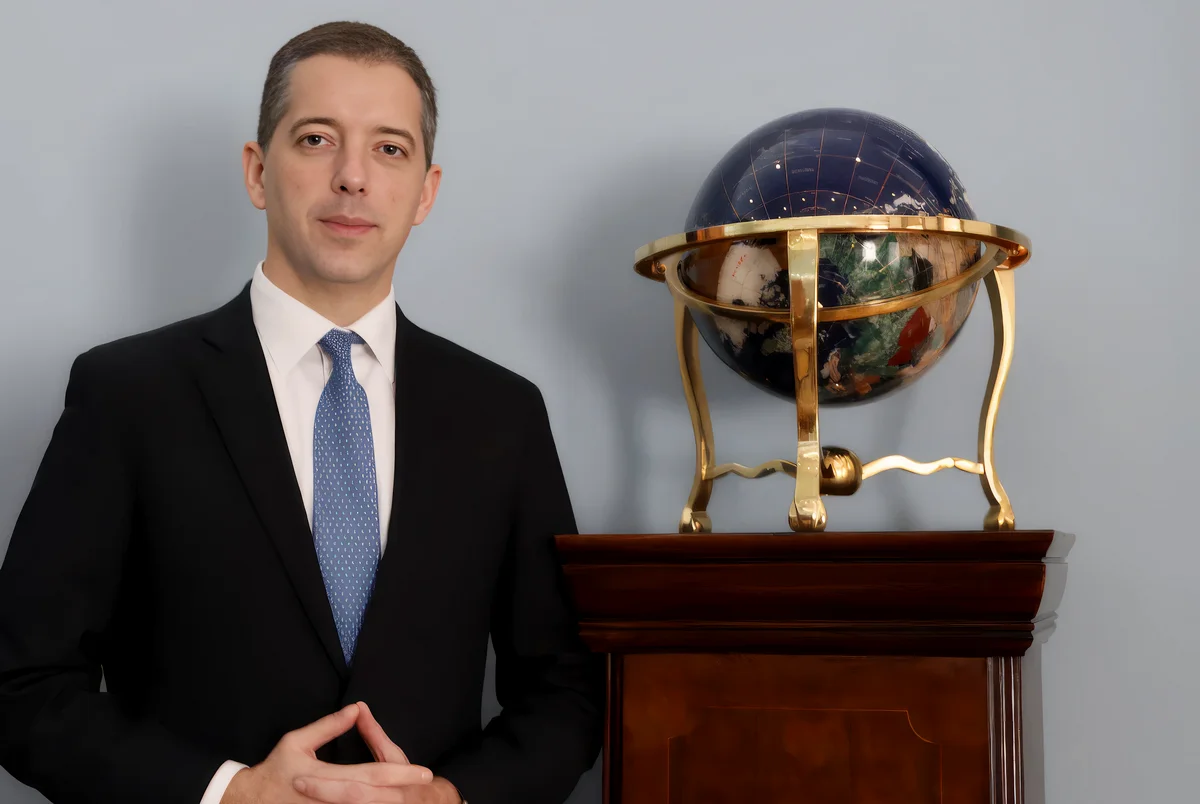
According to Marko Đurić, the world is a place with which, as foreign minister, he has only limited involvement (Source: NIN)
Yet at the very same time, Foreign Minister Marko Đurić struck a completely different tone in the pages of NIN. According to him, the American authorities have shown “a high degree of flexibility, patience and tolerance,” and a solution is closer than ever.
In other words, the Americans are portrayed simultaneously as imperial pressure-builders and exceptionally understanding partners. This is one of the characteristic features of Serbian political communication: there is ammunition both for those who dislike the United States and for those who regard America as the center of the world. There may be fewer of the latter in Serbia, although the Trump era may be changing that somewhat.
Marko Lakić, a journalist with Politika, openly stated in an interview with the pro-government Euronews Srbija what many in Belgrade quietly believe.
According to Lakić, the Russians have absolutely no intention of selling NIS. Not because it would not be profitable, but because withdrawing would mean surrendering one of their last major points of influence in the Balkans.
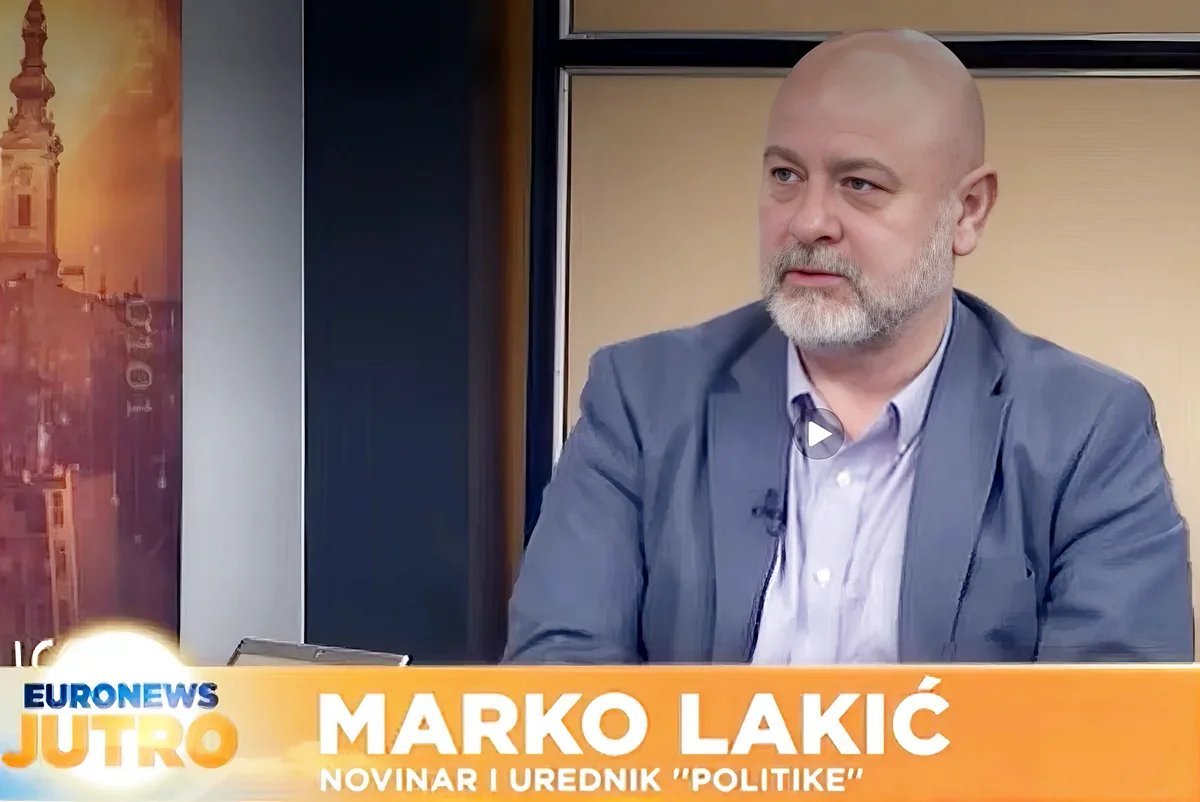
Marko Lakić believes the Russians have no intention of selling NIS, especially if they can continue playing for time
According to Lakić, the sale of NIS would affect not only Serbia but the entire region: Republika Srpska in Bosnia and Herzegovina, Montenegro, North Macedonia, and the broader Southeast European energy space. It is a sentence that could just as easily have been drafted in Moscow.
Will the Russians Buy MOL?
Within Serbia’s pro-government—though not necessarily the most hardline—media, there is a somewhat contradictory image of MOL. One view holds that the Hungarian company could provide a compromise solution acceptable to Washington, Brussels and Moscow alike, since it would hardly be fair for Serbia to suffer the consequences in the end.
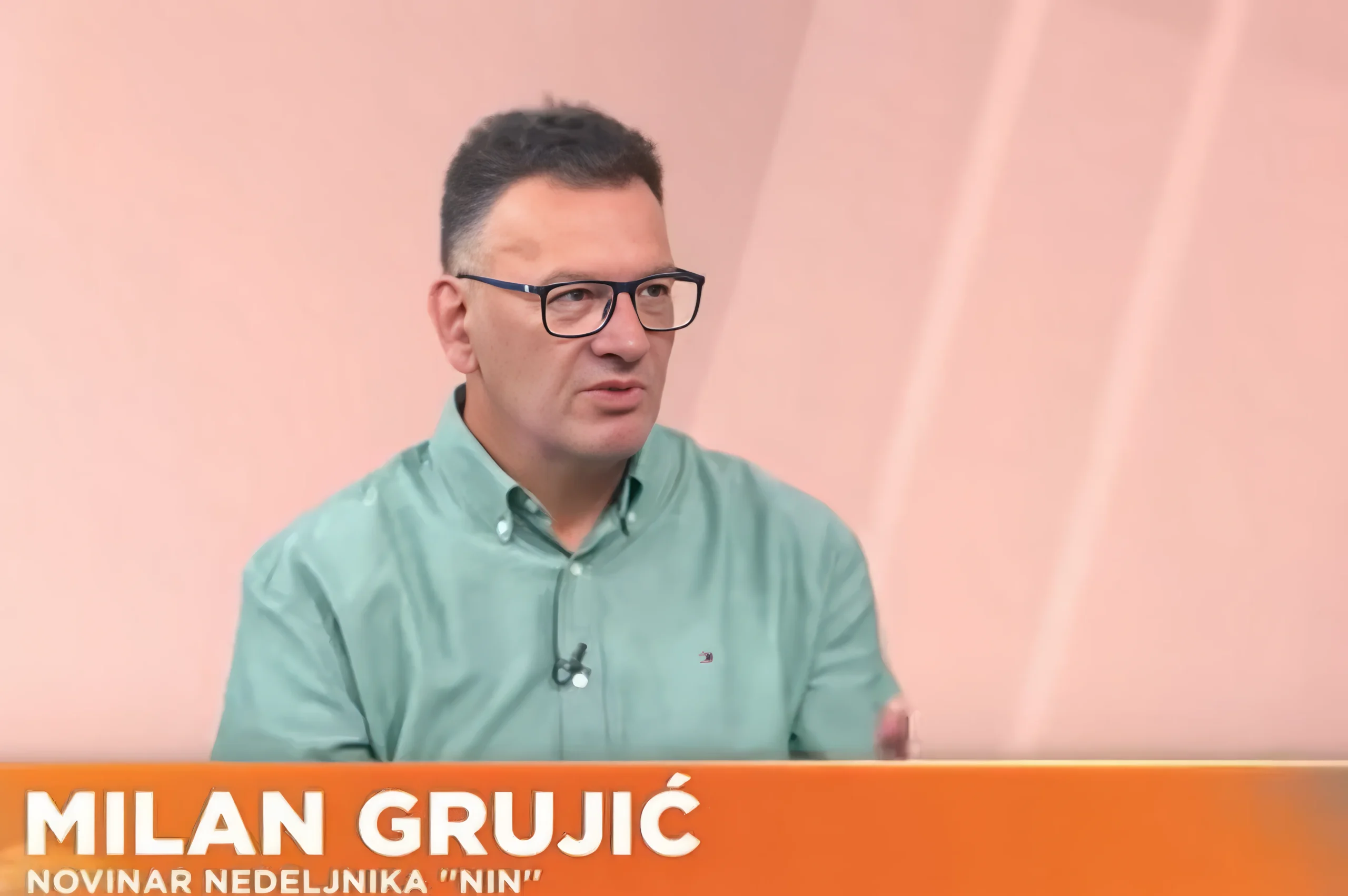
According to NIN journalist Milan Grujić, Serbia should not be the one paying the price, since it has done everything it was supposed to do
Another interpretation, however, suggests that MOL itself could become part of a much larger future Russian energy game—arguably the most entertaining aspect of the story from a Hungarian perspective.
Milan Grujić, a journalist with NIN, outlined a particularly bold scenario during a Euronews programme. According to him, rumors are circulating that once the war in Ukraine ends, Gazprom could make an offer to acquire the entire MOL Group.
For now, the idea belongs more to the realm of geopolitical science fiction than business planning, but it illustrates how a segment of the Serbian pro-government media thinks. In this interpretation, NIS could serve as a Trojan horse for the eventual acquisition of MOL, especially if the Russians were willing to offer a price high enough to tempt the Hungarians into selling.
According to Grujić, the Russians involved MOL in the negotiations over NIS precisely because of such a long-term strategy. If Gazprom were eventually able to take over MOL, Russia would gain significant influence simultaneously in Hungary, Serbia, Croatia and Romania.
The other journalist already mentioned, Marko Lakić, believes this may have been a realistic option as long as Viktor Orbán remained in power in Hungary. Today, however, he argues that such a scenario would be much harder to realize because of likely opposition from the European Union. According to the forecasts he cites, Europe could even find itself at war with Russia by 2030, while Russia is already facing considerable difficulties on the Ukrainian front.
Is Washington Playing for Time Over Ukraine?
According to Nenad Gujaničić, a broker at Momentum Securities, Washington does not actually want to make a final decision right now. In his view, the Americans have postponed the NIS issue until the final stage of a broader settlement over Ukraine. Put simply, the Serbian oil company has become one of the chips on a much larger geopolitical poker table.
It is not that they have forgotten about NIS. Rather, it may prove useful later.
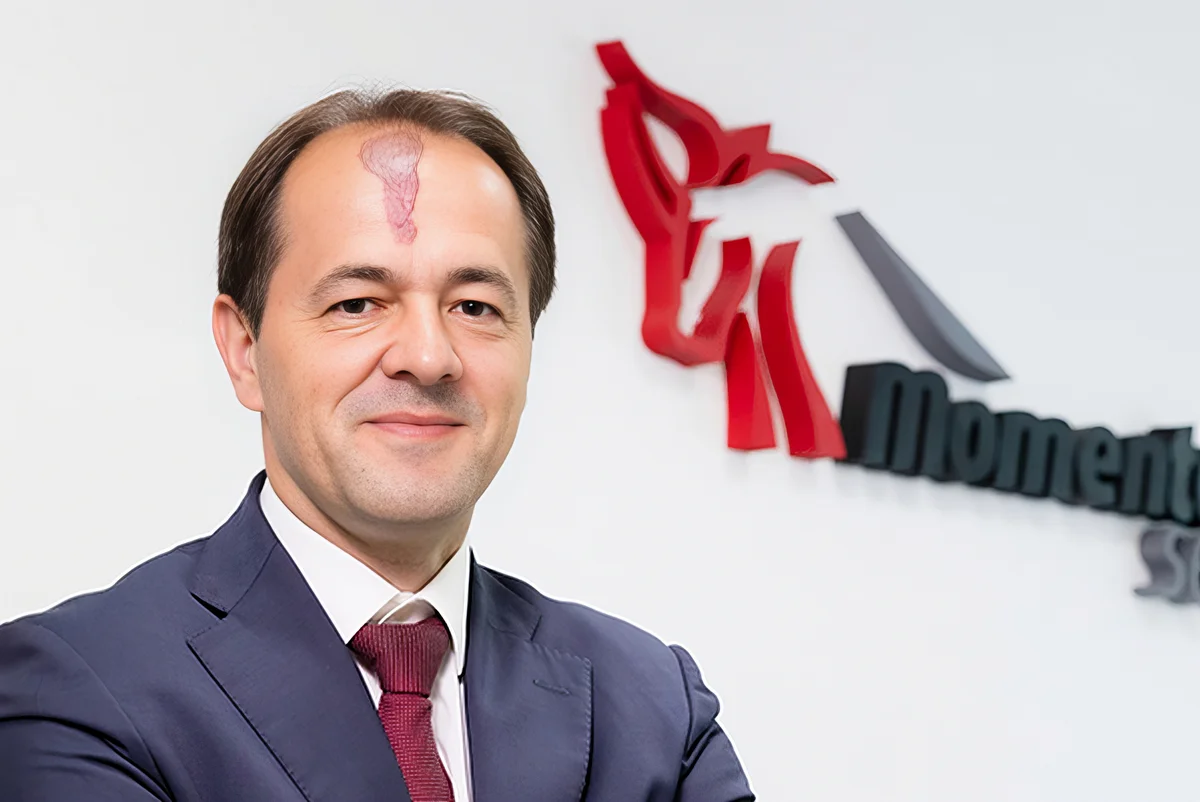
According to his own biography, Nenad Gujaničić has delivered numerous lectures on financial markets at the Belgrade Stock Exchange, the BK University Faculty of Organizational Sciences and the Belgrade Banking Academy (Source: Momentum Securities)
This explanation fits almost perfectly into the Serbian geopolitical worldview, according to which all important decisions are ultimately made somewhere between Washington, Moscow and perhaps Beijing, while Belgrade can do little more than watch events unfold.
Perhaps the most interesting aspect is that nearly all regime-friendly commentators arrive at the same conclusion: Russia does not want to sell, the United States does not want to back down, MOL is drifting with the current, and Serbia is once again forced to navigate between competing interests.
Naturally, Serbia is cast in the role of the victim, suffering through circumstances beyond its control.

In reality, the situation is somewhat simpler. NIS has become a target because it is the flagship energy company of a country that wants to knock on the door of the European Union while simultaneously maintaining special ties with Moscow, all while trying to convince both sides that it is exclusively loyal to them. That balancing act is becoming increasingly difficult.
And while Belgrade celebrates another thirty-day extension, the real question remains unchanged: what happens on the day when OFAC decides not to sign the next waiver?
At that point, it will no longer be enough to explain why everyone else is to blame. A decision will have to be made.
That is precisely what the Serbian political establishment appears to fear most. As a country that still treats Russia as a special partner, Serbia has little appetite for nationalizing NIS. President Aleksandar Vučić briefly floated that possibility in the past, only to quietly stop talking about it soon afterward.


Orbán, Kapitány, a főnök, a kukta és a pohárnokAz Adria-kőolajvezeték Zágrábban összehozta a magyar és horvát minisztereket, miközben Splitből Szerbia kapott egy politikai figyelmeztetést.
Magyarország és Horvátország az Adria-kőolajvezeték kapacitásáról, a krki LNG-terminálról és egy közös gázmezőről tárgyalt Zágrábban. Eközben a MED9 Spliti Nyilatkozata...


Miért félnek a magyarok utasokat felengedni a Sólyomra?A Sólyom repülne, de egyelőre utasok nélkül: Magyarország teszteli a Belgrád–Budapest gyorsvasutat
Hét hónap alatt sok minden történhet egy vasútvonallal, különösen akkor, ha közben beiktatnak egy kormányváltást történik az egyik végén, a...

Kiss Ernő utolsó nyolc éve levelei tükrébenEz nem egy szokásos október 6-i megemlékezés, ezúttal megmutatunk valamit, amihez az olvasó máshol sehogy sem férhet hozzá
Október 6-án az aradi vértanúkra emlékezünk, Kiss Ernőről azonban ezúttal nem a kivégzés történetét meséljük el. Előkerült egy mindössze ötven...



Marina, Marina, Marina (M. V. végső búcsújára)Egy Marina, egy Viszockij, néhány film és egy Fítyóka – egy világsztár története magyar kitérőkkel
Marina Vlady neve egy egész korszakot idéz: francia filmeket, Cannes-t, Jancsó Miklóst és Mészáros Mártát, mindenekelőtt pedig Vlagyimir Viszockijt. De...

Bolondmese: látod, hallod – vágod? (Bicskei & Bakos a Fonóban)Bolondmese a pusztáról, világzene a Fonóból – Bicskei Zoltán és Bakos Árpád közös estje
Van úgy, hogy a puszta bolondja egészen a budapesti Fonóig gurul, és még csak lábra sincs szüksége hozzá. Bicskei Zoltán...


Békavári emlékek (Kanizsa +)Békát ugyan nem szolgálnak fel, de íróból, halból és történetekből nincs hiány a Tisza partján
Van, ahol a békából királyfi lesz, máshol Csáth Géza darabolja fel, Magyarkanizsán viszont még az étlapra sem sikerült felkapaszkodnia. A...

Külföldi szavazás: a RIK elutasította a diákok kifogásátA szerb választási bizottság a diákokat elutasította, a határidőt túllépte, a diaszpórát magára hagyta
A külföldi szavazás körül akkora lett a felfordulás Szerbiában, hogy a választási bizottságnak már a saját határidejét sem sikerült betartania....

A független választási megfigyelő Vučićék legnagyobb ellensége?A hatalom a független választási megfigyelőket támadja, a CRTA pedig tovább számolja a szabálytalanságokat
A szerbiai választások előtt Aleksandar Vučić hatalma egyre több ellenfelet, sőt ellenséget talál magának. A CRTA független választásmegfigyelő szervezet például...

A Janaf nem vész el, csak átalakulHorvátország új energetikai óriást építene, a MOL pedig lassan kénytelen lesz megbarátkozni a gondolattal
Horvátországban lassan összeáll a kép: ha az INA visszaszerzése nem sikerült, akkor építenek helyette valami mást. A JANAF átalakítása mögött...


Az EU költségvetéséről tanácskozik Dél-Európa SplitbenSplitben a mediterrán kilencek már a brüsszeli nagy meccsre melegítenek: pénzről, bővítésről és a Nyugat-Balkánról egyeztetnek
Nyolc nappal az Európai Tanács brüsszeli ülése előtt Splitben gyűlik össze az Európai Unió mediterrán kilence, így a MED9 csúcstalálkozó...

A Rybar fennakadt a montenegrói hálónA montenegrói titkosszolgálat öt oroszt kapcsolt le, miközben Moszkva már fogolycserét emleget
Az orosz Rybar információs hálózat vezetője, Mihail Zvincsuk a Balkánon forgatott dokumentumfilm-sorozatot, amikor a montenegrói biztonsági szolgálatok úgy döntöttek, hogy...


Boszniai választások: véget ért a Komšić-korszak, a Dodik-korszak viszont tovább tartA boszniai horvátok visszavették a nekik járó elnökségi széket, a szerbeknél fölényes, a bosnyákoknál szoros győzelem született
Bosznia-Hercegovina választások 2026: a vasárnapi választások egyik legfontosabb eredménye, hogy Darijana Filipović győzelmével a horvátok visszaszerezték azt a helyet, amelyet...

Montenegró EU-tag lehet 2028-ban, de előbb túl kell élnie 2027-etBrüsszel már 2028-ra készül, Montenegrónak azonban előbb a 2027-es választást kell túlélnie
Montenegró EU-tag lehet 2028-ban, legalábbis Brüsszelben továbbra is hisznek abban, hogy a kis balkáni ország elsőként érhet célba a jelenlegi...

Mandić maradt, a montenegrói parlament viszont újabb válságbanMontenegró Brüsszel felé tart, de Andrija Mandić megakaszthatja az ország EU-csatlakozását
Montenegró keze már szinte az Európai Unió ajtajának kilincsén van, de a szerb nacionalizmus időnként még mindig közbeszól. Andrija Mandić...
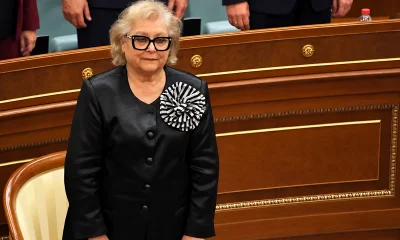

Koszovó az utolsó percekben kerülte el az újabb választástHárom perccel éjfél után lett elnöke Koszovónak, de a jogászok szerint ettől még érvényes lehet a választás
Justina Shiroka-Pula 81 szavazattal lett Koszovó új elnöke, miközben a szavazás eredménye már három perccel az alkotmányos határidő lejárta után...


Vučić beszéde: az Informer szerint ezt várta az egész világVučić New Yorkban a világot igazította helyre, az Informer pedig apukával és anyukával erősített
Aleksandar Vučić talán utolsó nagy elnöki beszédét mondta el az ENSZ-ben. Koszovó, NATO és Horvátország mellett az Informer gondoskodott a...
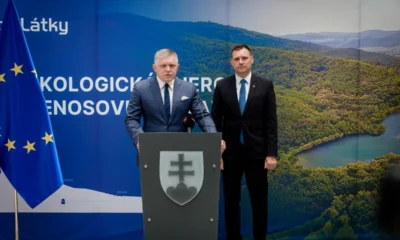

Megremegett a kormány Fico kezébenTaraba bukása után már nem egy miniszteri szék, hanem Robert Fico parlamenti többsége került veszélybe
Harminchárom év után ismét megbuktatott egy minisztert a szlovák parlament, Tomáš Taraba távozása azonban csak a látványos rész, aminek súlyos...


Fico fejlesztené az öntözést, de Magyarországtól nem venné el a vizetSzlovák öntözés arab pénzből: a Csallóköz alatt rejtőzik Szlovákia egyik legnagyobb kincse
Robert Fico szerint Szlovákiának a súlyos aszály miatt több vizet kell megtartania, de nem érdeke, hogy a tervezett öntözés miatt...
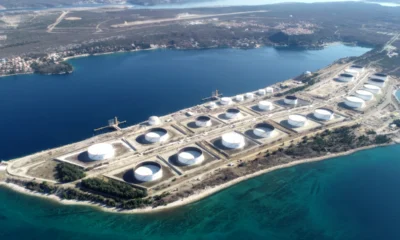

A Janaf kétmillió tonna kőolajat szállít a MOL-nakMegállapodott a Janaf és a MOL: valamivel több mint kétmillió tonna kőolaj szállításáról írtak alá szerződést
Az egyezség a „take-or-pay” elven működik, vagyis a magyar olajipari vállalat a lekötött szállítási kapacitásért akkor is fizet, ha azt...
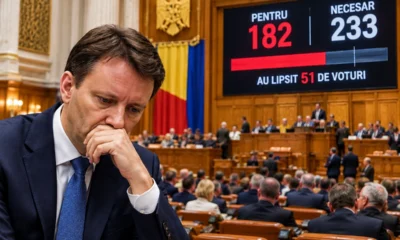

A román államfő elzárkózik az előrehozott választások kihirdetésétőlBukott a Mureșan-kormány, de az államfő még nem engedné az előrehozott választásokat Romániában
Romániában az alkotmány betűje szerint lassan az előrehozott választásokat kellene tartani, az államfő azonban inkább a sorok között olvas. Siegfried...

Románia úton a leminősítés és az előrehozott választások feléSiegfried Mureșan alakítana kormányt Bukarestben, Románia azonban inkább az előrehozott választások felé sodródik
A román államfő csütörtökön jelentette be, hogy Siegfried Muresant kéri fel kormányalakításra, miután a két korábbi miniszterelnök-jelölt nem tudta megszerezni...
