
English
Breakthrough to the Other Side and Back (Vanished, Returned: J. Morrison)
There are known things, and there are unknown things – and in between are the doors 📘 – This quote inspired the name of The Doors.


Let us begin with the fact that Aldous Huxley was a twentieth-century English writer who started his career with a somewhat restrained critique of both the upper middle class and the bourgeoisified art world, later continuing with a confrontation of points and counterpoints that could be described as harsh and calmly ruthless. His negative utopia—or, using the more commonly employed term today: DYSTOPIA—speaks out against all forms of power, especially the totalitarian state, often employing the tools of relentless satire.
Dystopian societies depicted in various artistic works are generally characterized by severe dehumanization. They often feature various natural disasters, nuclear wars, and similar calamities: famines, poverty, various epidemics, and, not least, pollution of staggering proportions—a complete nightmare, truly. This can be stated with confidence. The common motif is usually an unstoppable decline or degeneration occurring in the future, or their depiction, on the path toward inevitable collapse.
In these narratives, the protagonist typically only gradually realizes the oppressive nature of the power operating beneath the seemingly happy and balanced society, which does not tolerate individual autonomy. Such is Huxley’s Brave New World, Orwell’s 1984, or what we see in the film The Matrix, where a simulated reality created by artificial intelligence is presented, ultimately taking control.

After silence, that which comes nearest to expressing the inexpressible is music (Aldous Huxley)
It is a fact that the creation of such works often involves a highly visionary process, necessitating the expansion of normal consciousness and perception. The widest possible opening of the doors of perception. The most effective external aid for this is the use of drugs. It is no surprise, then, that Huxley himself resorted to such means. He, for example, most preferred mescaline, one of the components of the peyote cactus, the sacred plant of the Indians.
Incidentally, peyote, some varieties of which resemble ornamental gourds, features as a highly effective substance in the works of Peruvian-born American anthropologist Carlos Castaneda, who studied Native American shamanic traditions. He published a series of books on this topic, which were translated in the former Yugoslavia. Castaneda enjoyed considerable popularity there at the time. It is worth noting that his works received less attention later, in Hungary during the late 1990s and early 2000s, though the author was not entirely overlooked even then. (It depends on whom you ask…)
In any case, along with his similarly capable contemporaries, mescaline quickly found its place in American BEAT literature following Huxley’s lead—see, for example, Allen Ginsberg’s poems!—not to mention beat music. One could say it found a home in the entire beat culture, and later in the hippie world. At the same time, it purchased several houses and luxurious residences in Hollywood. Thus, in the mid-1960s, a young student named James Douglas Morrison could have encountered it in some obscure, heavily alternative bar in Los Angeles. He later became world-famous under the name JIM MORRISON as the frontman of the psychedelic, blues & jazz-influenced hard rock band THE DOORS. (We’re talking about doors here, just as originally with Huxley, not gates, as we see on the cover of the Hungarian translation! But never mind.)

The Doors band, drummer in the restroom (Screenshot)
Much has been written about The Doors (members besides Morrison include keyboardist Ray Manzarek, guitarist Robby Krieger, and drummer John Densmore), and even more about their exceptionally poetically talented, perpetually high, stormy-living frontman, Jim, who was the subject of a film directed by Oliver Stone. He notably enjoyed talking about his own father, claiming he was a pianist in a brothel. In reality, however, Morrison’s father was a high-ranking officer in the United States Navy.
He probably wasn’t too pleased about this, but we didn’t have the chance to meet him to assess his sense of humor.

Brothel and army, perhaps the two are connected
Incidentally, Stone’s film received quite a bit of criticism, but one thing is certain: it effectively depicted the overdriven life that the band members were forced to live in the „genre” they chose for themselves. With all the great breakthroughs and breakdowns, we believe the protagonist is also excellently portrayed. With some modifications, of course, but there he is—forever with Huxley and Huxley’s zombies in his mind’s eye—Jim Morrison, burning out young in his own fire. Who, in the end, may have been taken by the demon of overdose, just like his similarly fated colleagues, the virtuoso Jimi Hendrix and the raspy-voiced Janis Joplin—among the many others who deserved better.
We write all this on the occasion—widely reported in the Hungarian press—that Jim Morrison’s grave statue, which was stolen thirty-seven years ago from the Père-Lachaise Cemetery in Paris by unknown perpetrators, has recently been found. The statue, incidentally, is the work of Croatian master MLADEN MIKULIN from Velika Gorica. According to a brief statement from the French police, the distinguished piece—erected on the tenth anniversary of the singer, lyricist, and poet’s death before it disappeared—was discovered by the financial and anti-corruption brigade of the Paris police’s criminal division during an unrelated fraud investigation. It was found incidentally, and no further details have been disclosed so far, understandably for the sake of the ongoing investigation.

The somewhat unconventional tombstone and its surroundings (Source: Internet)
It is well known that Morrison died in June 1971 in the French capital. One of our old friends from what was then Yugoslavia, from the Telep district of Novi Sad, a certain Tomislav Perić—who has lived in Canada under the name Tom Peric since the outbreak of the last Balkan war—visited Morrison’s grave in 1978 with his fellow “storm riders.” At that time, the statue had not yet been installed or unveiled, but he still remembers vividly the rare experience. Naturally, we summarize only briefly from his Hungarian-written letter—in a sort of plot form—which states that he still clearly recalls how the Parisian cemetery guards feigned ignorance when the three of them inquired about Morrison’s resting place. Yet, they managed to find something that, based on the chaotic scene before them, could hardly be called a classic final resting place. – And thus, they finally understood the reluctance of the French cemetery workers to give precise directions. (Merci beaucoup omitted accordingly.)
P.S. In the attached illustration, we can also see how Maestro Mikulin’s work—which was not yet present in ’78—underwent further enthusiastic artistic interventions after its placement in the famed French cemetery. Previously, only Morrison’s tombstone and the surrounding area bore many curiosities. Among them, the graffiti of a fellow countryman—who had apparently visited before Tom and his friends—read: “ĐOKA JE BIO OVDE.” (So Gyuri left his mark…) And so this is the end, beautiful friend.
THE END
& &
there’s no more. The storm is coming again—can we surf on the wings of the wind?



A VMDK rejtett pártfinanszírozást feltételez a VMSZ esetébenCivil szervezet vagy politikai háttérintézmény a VMSZ-hez köthető Agenda Polgárok Egyesülete
A Vajdasági Magyarok Demokratikus Közössége a Korrupcióellenes Ügynökség sürgős vizsgálatát kéri, miután a Vajdasági Magyar Szövetség elnöke, Pásztor Bálint elismerte,...

Mi lesz veled, VMSZ? Pressburger Csaba cikkérőlA kényelmes hatalom vége és a túlzott hűség következményei
A Vajdasági Magyar Szövetség eddigi, kényelmes hatalmi pozíciója egyik napról a másikra omlott össze: a párt, amely két szövetséges rezsim...


Szerbia készen áll a Budapestre tartó vasútvonal megnyitására?Valóban minden rendben van a szerb oldalon, vagy csak a propaganda működik hibátlanul?
Szerbia szerint minden készen áll a Budapest–Belgrád vasútvonal utasforgalmának elindítására, a késlekedésért pedig immár kizárólag a magyar oldalon jelentkező technikai...


Oly távol, messze van hazám – Ének: Little R. és a LaibachAmi nem streamelhető: zene, mint tárgy és élmény
Ami tegnap még poros relikviának tűnt, ma ismét keresett kincs. A bakelit – sercegésével, súlyával, rítusával – csendben visszaszivárog a...

Mennydörög az ágyú, csattog a kard (a Kecskeméti Magyar Képtárban)Klapka-indulóra masírozó ecsetek: múlt, mítosz és egy kortárs csatatér
Van valami sajátos bája annak, amikor a történelem nem könyvekben porosodik, hanem feláll, felnyergel, és teljes fegyverzetben végigvágtat egy képtár...

Árnyak a Balkán felett (3. évad)Történelem vagy jelenidő? – kellemetlenül vékony a határ
Árnyak gyülekeznek újra a Balkán felett – és ezúttal nem csak a történelemben. Senke nad Balkanom harmadik, záró évada visszatér,...


Az EU nem ad több pénzt: Marta Kos megbüntette SzerbiátBrüsszel a magyar példából azt olvasta ki, hogy az európai források blokkolásával elérheti a kívánt célt
Az Európai Unió ideiglenesen leállította a Szerbiának szánt támogatások kifizetését, mert véleménye szerint Belgrád az igazságszolgáltatás reformja helyett inkább annak...

Juhász Bálint rovarirtót kapott ajándékba az ellenzéktőlJuhász: Úgy mentünk már Budapestre, hogy támogatjuk, sőt ha lehet, akkor kérjük is az ellenőrzéseket
A vajdasági parlamentben megint előkerült egy régi történet: Juhász Bálint házelnök lemondása, miután változott a széljárás Budapesten. A Prosperitati-milliárdok, a...


Pantheon AI: a kacsalábon forgó horvát adatközpontHorvátország 50 milliárdos ugrása a digitális elitbe, és Vucsics Sanyi technológiai nagyotmondása
Horvátország hirtelenjében nemcsak tengerpart és nyári dugó lesz, hanem egy 50 milliárd eurós mesterségesintelligencia-beruházás európai központja. A Pantheon AI adatközpont...


3SI: elkezdődött az amerikai-horvát aranykor?A "miből lesz a cserebogár" monumentális méreteket öltött
Bár sokan túlzónak tartották az amerikai–horvát kapcsolatok „aranykoráról” szóló washingtoni retorikát, a dubrovniki Három Tenger Kezdeményezés csúcstalálkozó fejleményei látványosan rácáfoltak...


Dodik demokrácia-díjat kapott egy amerikai egyetemenA Judson Egyetem szerint Dodik a "demokratikus kitartás" példaképe
Milorad Dodik nemrég még Putyin elnök karján libbent be a nemzetközi politikába, mostanság viszont már az amerikai demokrácia odaadó híve....


Dodik szerint hazugság, hogy diktatúra volt Orbán rendszereOrbán veresége után Dodik új politikai realitással szembesül
Milorad Dodik sajnálattal reagált Orbán Viktor választási vereségére, akit továbbra is szövetségesének tekint, miközben a magyar kormányváltás komoly politikai és...
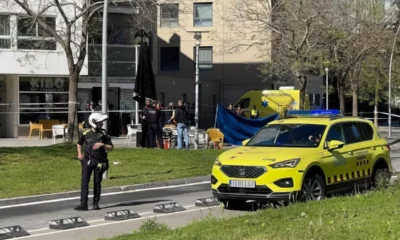

Barcelonai brunch, kivégzéssel fűszerezve, montenegrói módra 🔞Egy város, ahol a turisták mellett a nemzetközi alvilág is megtalálta a számítását - és az ellenséget
Barcelona régóta Európa egyik legélhetőbb városának számít: tengerpart, napsütés, brunchkultúra. Az elmúlt hónapokban azonban egy másik, kevésbé reklámozott jelenség is...
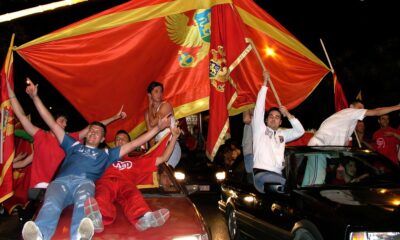

Montenegró célegyenesben? Álmok, régi botrányok és a koszovói kártyaPolitikai viharok közepette írják az európai jövőt
Montenegróban egyszerre több fronton is zajlanak az események: Aco Đukanović ügye ismét reflektorfénybe került, miközben a koszovói elismerés körüli politikai...
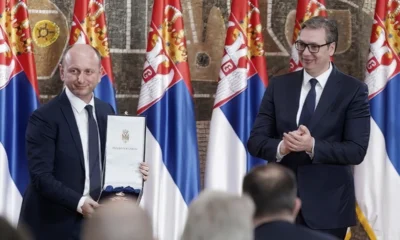

Knežević nacionalizmussal kampányol, visszavonná Koszovó elismerésétKoszovó ismét előkerült, mert a Balkánon a múlt mindig kéznél van
A Balkánon a régi témák sosem mennek ki a divatból. Milan Knežević montenegrói szerb politikus újra elővette Koszovó elismerésének ügyét,...


Koszovó: feloszlatott parlament, lábra kapott a balkáni fejetlenségAz elnökválasztás megbukott (?), Osmani feloszlatta a parlamentet, Kurti alkotmánysértést emleget
Koszovóban ismét elszabadult a politikai káosz: miután a parlament nem tudott új elnököt választani, Vjosa Osmani államfő feloszlatta a törvényhozást....
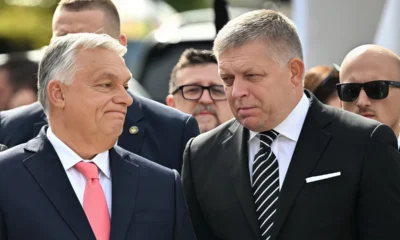

Szlovákiai magyar élet Orbán és Fico barátsága utánRobert Kaliňák szlovák honvédelmi miniszter szerint a konfiskálók bármikor mehetnek a magyarok vagyonáért
Sokáig rosszindulatúan úgy is lehetett magyarázni az eseményeket, hogy Magyar csak az Orbán kormányon keresett fogást, de az április 12-i...


Fico egyedül marad? Milyen stratégiát választ Európában?Orbán kiesése után egy korszak biztosan lezárult a szlovák–magyar viszonyban
Szlovákiában a magyar választás inkább tűnt idegállapotnak, mint külpolitikai eseménynek: Orbán bukásával Fico elveszítette legfontosabb EU-s partnerét – ha viszont...


A magyar választási kampány Szlovákiát is felráztaA 2020-as szlovák választások háttere új megvilágításba került egy kiszivárgott beszélgetés nyomán
Egy kiszivárgott telefonbeszélgetés leirata alapjaiban rázta meg a szlovák politikát: a dokumentum szerint a magyar külügyminiszter 2020-ban orosz segítséget kért...
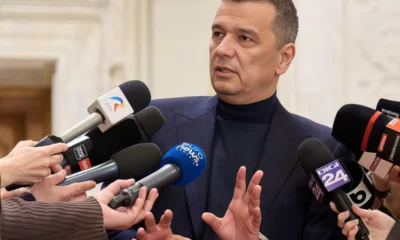

Moszkva-párti erővel szövetkezett a saját kormányát buktató alakulatIdeiglenes politikai szövetség vagy új hatalmi tengely? A tét a kormány megbuktatása
Romániában új szintre lépett a politikai játszma: a Szociáldemokrata Párt kész együttműködni az eddig vörös vonalnak számító AUR-ral, hogy megbuktassa...
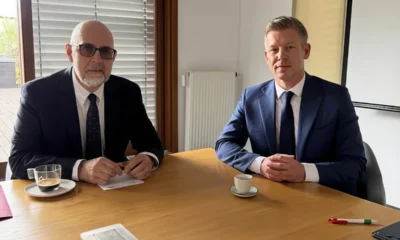

Továbbra is lesz anyaországi támogatás ErdélynekAz erdélyi kisebbségi politizálás ellentmondásos és viharos korszaka
Nem lett fejcsere, nem lett pénzcsap-elzárás sem: Magyar Péter és Kelemen Hunor első találkozója inkább tűnt kényszerű békekötésnek, mint elszámoltatásnak...
