
English
Even with the help of thugs, the Progressives did not win in Petrovec
Despite the pressure and threats, the independent candidate, Juraj Červenak, won the election with 31 votes, while Jasna Kohutová received 19—meaning that not even the thugs, who play a key role in Vučić’s democracy, could secure the position for the Progressive candidate in Petrovec.


Perhaps no one has paid as much attention—or any at all—to the Slovak minority in Vojvodina as in the past two days, and the name of Matica Slovenská has surely been noted, along with the fact that this minority does not allow itself to be humiliated. (Unlike others, here in Vojvodina, but let us not dwell on that now.)
It so happened that Matica Slovenská, whose primary task is to preserve identity, traditions, and culture, held presidential elections.
This sparked the scandal, as the Serbian Progressive Party attempted to infiltrate the institution, sending thugs on the day of voting—yet the Slovaks’ independent candidate won by a large margin.
The Problematic „Progressive” Candidate
According to locals, there has never been such a scandal in Petrovec (Bački Petrovac in Serbian) as in recent days.
The locals, most of whom are members of Matica Slovenská since it is their own heritage and cultural institution, learned just a few days earlier that the Serbian Progressive Party intended to place Jasna Kohutová at the head of Matica. She had previously served as municipality president and a provincial representative.
What Does Matica Slovenská Do?
Matica Slovenská was established in the former Yugoslavia on May 18, 1932, in Petrovec, with 360 members. Its first president was Dr. Jan Buljik. The goal was to strengthen the connection between Slovaks in Yugoslavia and Slovakia.
In 1948, the Vojvodina parliament authorized the creation of an ethnographic museum, which was ceremoniously opened in 1949. Matica remains active in preserving Slovak identity and culture to this day, particularly in the fields of education, art, and language.
This was problematic from the locals’ point of view because they insist that Matica is a non-political organization, and that Kohutová has no place in it. They added that if she were elected, it would mean the complete degradation of the Slovak community, as Matica would no longer defend their rights, language, and culture.
During Kohutová’s previous leadership, locals faced many problems: she hindered the use of the Slovak language and “brought circus performers to sing at Slovak National Holidays.” According to locals, Kohutová only recently began university studies and completed her first year during the university blockades.
The Authorities Sent Thugs Against Them
Following all this, the locals decided to organize a protest in front of Matica Slovenská—that is, in front of the theater building—to prevent Kohutová’s election.
The Serbian Progressive Party, however, did not leave it to chance. The day before, locals had already heard there would be a counter-protest, but they did not expect that not only local ‘enforcers’—whom they already knew—would show up.
There were about 70–80 protesters, and around 30 thugs from the Serbian Progressive Party, none of whom had any connection to the Slovak community. It later emerged that these “show-of-force” men were from Odžaci; most were criminals, ex-convicts, or members of the Serbian intelligence service (BIA), with some holding high political offices—managing public companies and so on.
The locals wanted nothing more than to observe the election, which they were entitled to do. However, the aggressively behaving unknown men stood at the entrance of the Slovak Theater and let no one in.
Vučić’s democracy in Serbia is built on black-shirted thugs (Source: TikTok)
A former Matica president, Mihal Špevak, said to the black-clad men at the scene:
“Shame on you! Only the Slovak people elect this institution; do not obstruct us. Got your money? Then go and spend it!” People chanted: “Go home!” while the unknown men physically blocked their entry.
Three Incidents, Police Inaction
Danas and N1 reported that three incidents occurred: a teacher from Sombor was attacked by a thug who tore her banner—this was reported to the police. Martina Martinko Sabolčki, leader of the “Biram borbu” (I Choose the Struggle) group, was pushed by a local Progressive supporter as she tried to enter the building. She suffered a shoulder injury and required medical attention.
When female stewards blocked the exit in response to the thugs blocking the entrance, a scuffle broke out—a video was made of this too. The police, however, watched passively and did not intervene.
This is how the thugs prevented Slovaks (those without Progressive Party membership cards) from voting. One Slovak man sarcastically remarked, “Progressive heroes, go ahead and beat Slovak women!”
One citizen approached them to report the first incident, but they just shut the door and left. Later, they claimed, “We didn’t see any incident.”
Still, the Independent Candidate Won
Despite pressure and threats, the independent candidate, Juraj Červenak, won the election with 31 votes, while Jasna Kohutová received 19.
Serbia’s ambassador to Slovakia, Aleksandar Nakić, threatened the candidates and their families—especially Červenak, who spoke about this publicly.
Attempts were also made to manipulate the composition of the election committee, but the delegates stood up for a fair vote. Kohutová left the room along with the thugs. Was this the first defeat for the Serbian Progressive Party? Have those changes finally begun?
It would be premature to draw far-reaching conclusions. We could be truly optimistic if similarly independent elections were held in a more significant institution—or within the Hungarian community, for example.


Szemétégető erőművek: Horvátország négy létesítményt tervez

Pandora visszakacsint, több mint egy korrupciós ügy?

Megszálltság és megszállottság (FEST ’26)

Dodik már érzi, hogy Vučić győzni fog

A titkosszolgálatok is megmozdultak a Rybarért, visszatérne a Balkánra

Külföldi szavazás: a RIK elutasította a diákok kifogását

A független választási megfigyelő Vučićék legnagyobb ellensége?

Orbán, Kapitány, a főnök, a kukta és a pohárnokAz Adria-kőolajvezeték Zágrábban összehozta a magyar és horvát minisztereket, miközben Splitből Szerbia kapott egy politikai figyelmeztetést.

Pásztor Bálint haladó lózungokkal kampányol: ha nincs VMSZ, „vége a közösségnek”Pásztor Bálint szerint veszélyes lehet az Egyetemista listára adott magyar szavazat, miközben nő az elégedetlenség
Dodik már érzi, hogy Vučić győzni fogDodik már érzi Vučić győzelmét, a rendőrség pedig gondoskodott a nagybecskereki kampánygyűlés nyugalmáról
A titkosszolgálatok is megmozdultak a Rybarért, visszatérne a BalkánraÖt orosz, egy elkobzott drónkészlet és néhány befolyásos moszkvai támogató – különös filmforgatás Montenegróban

Miért félnek a magyarok utasokat felengedni a Sólyomra?A Sólyom repülne, de egyelőre utasok nélkül: Magyarország teszteli a Belgrád–Budapest gyorsvasutat
Szemétégető erőművek: Horvátország négy létesítményt tervezA szemétből energia lehet, de a horvát hulladékpolitika körül leginkább az indulatok szabadultak el

A Rybar fennakadt a montenegrói hálónA montenegrói titkosszolgálat öt oroszt kapcsolt le, miközben Moszkva már fogolycserét emleget

Orbán, Kapitány, a főnök, a kukta és a pohárnokAz Adria-kőolajvezeték Zágrábban összehozta a magyar és horvát minisztereket, miközben Splitből Szerbia kapott egy politikai figyelmeztetést.
Magyarország és Horvátország az Adria-kőolajvezeték kapacitásáról, a krki LNG-terminálról és egy közös gázmezőről tárgyalt Zágrábban. Eközben a MED9 Spliti Nyilatkozata...

Miért félnek a magyarok utasokat felengedni a Sólyomra?A Sólyom repülne, de egyelőre utasok nélkül: Magyarország teszteli a Belgrád–Budapest gyorsvasutat
Hét hónap alatt sok minden történhet egy vasútvonallal, különösen akkor, ha közben beiktatnak egy kormányváltást történik az egyik végén, a...

Kiss Ernő utolsó nyolc éve levelei tükrébenEz nem egy szokásos október 6-i megemlékezés, ezúttal megmutatunk valamit, amihez az olvasó máshol sehogy sem férhet hozzá
Október 6-án az aradi vértanúkra emlékezünk, Kiss Ernőről azonban ezúttal nem a kivégzés történetét meséljük el. Előkerült egy mindössze ötven...

Megszálltság és megszállottság (FEST ’26)Usztasa múlt, bojkott és életműdíj: Lordan Zafranović újabb aligátort engedett a balkáni mocsárba
Lordan Zafranović horvát filmrendezőnek sikerült ismét olyan sebeket feltépnie, amelyek a Balkánon sohasem gyógyultak be igazán. A Kozara gyermekei című,...


Marina, Marina, Marina (M. V. végső búcsújára)Egy Marina, egy Viszockij, néhány film és egy Fítyóka – egy világsztár története magyar kitérőkkel
Marina Vlady neve egy egész korszakot idéz: francia filmeket, Cannes-t, Jancsó Miklóst és Mészáros Mártát, mindenekelőtt pedig Vlagyimir Viszockijt. De...

Bolondmese: látod, hallod – vágod? (Bicskei & Bakos a Fonóban)Bolondmese a pusztáról, világzene a Fonóból – Bicskei Zoltán és Bakos Árpád közös estje
Van úgy, hogy a puszta bolondja egészen a budapesti Fonóig gurul, és még csak lábra sincs szüksége hozzá. Bicskei Zoltán...
Dodik már érzi, hogy Vučić győzni fogDodik már érzi Vučić győzelmét, a rendőrség pedig gondoskodott a nagybecskereki kampánygyűlés nyugalmáról
A szerbiai választások előtt két héttel Milorad Dodik már a győzelmi ünnepségre készül, Aleksandar Vučić pedig a miniszterelnöki széket nézegeti....
A titkosszolgálatok is megmozdultak a Rybarért, visszatérne a BalkánraÖt orosz, egy elkobzott drónkészlet és néhány befolyásos moszkvai támogató – különös filmforgatás Montenegróban
A montenegrói hatóságok nemzetbiztonsági kockázatra hivatkozva kiutasították Mihail Zvincsukot, a Rybar orosz információs hálózat alapítóját és négy munkatársát. A Belgrádon...
Szemétégető erőművek: Horvátország négy létesítményt tervezA szemétből energia lehet, de a horvát hulladékpolitika körül leginkább az indulatok szabadultak el
Négy új szemétégető erőművel próbálna rendet vágni Horvátország a rohamosan növekvő hulladékhegyek között. A kormány terve szerint az első létesítmény...

A Janaf nem vész el, csak átalakulHorvátország új energetikai óriást építene, a MOL pedig lassan kénytelen lesz megbarátkozni a gondolattal
Horvátországban lassan összeáll a kép: ha az INA visszaszerzése nem sikerült, akkor építenek helyette valami mást. A JANAF átalakítása mögött...
A Rybar fennakadt a montenegrói hálónA montenegrói titkosszolgálat öt oroszt kapcsolt le, miközben Moszkva már fogolycserét emleget
Az orosz Rybar információs hálózat vezetője, Mihail Zvincsuk a Balkánon forgatott dokumentumfilm-sorozatot, amikor a montenegrói biztonsági szolgálatok úgy döntöttek, hogy...


Boszniai választások: véget ért a Komšić-korszak, a Dodik-korszak viszont tovább tartA boszniai horvátok visszavették a nekik járó elnökségi széket, a szerbeknél fölényes, a bosnyákoknál szoros győzelem született
Bosznia-Hercegovina választások 2026: a vasárnapi választások egyik legfontosabb eredménye, hogy Darijana Filipović győzelmével a horvátok visszaszerezték azt a helyet, amelyet...

Pandora visszakacsint, több mint egy korrupciós ügy?A Pandora-iratok ötödik évfordulóján pezsgőt bonthat a volt montenegrói elnök és fia?
Öt év alatt egy országban kormányok bukhatnak meg, politikai rendszerek alakulhatnak át, és még az Európai Unió kapuja is közelebb...

Montenegró EU-tag lehet 2028-ban, de előbb túl kell élnie 2027-etBrüsszel már 2028-ra készül, Montenegrónak azonban előbb a 2027-es választást kell túlélnie
Montenegró EU-tag lehet 2028-ban, legalábbis Brüsszelben továbbra is hisznek abban, hogy a kis balkáni ország elsőként érhet célba a jelenlegi...

Koszovó az utolsó percekben kerülte el az újabb választástHárom perccel éjfél után lett elnöke Koszovónak, de a jogászok szerint ettől még érvényes lehet a választás
Justina Shiroka-Pula 81 szavazattal lett Koszovó új elnöke, miközben a szavazás eredménye már három perccel az alkotmányos határidő lejárta után...


Vučić beszéde: az Informer szerint ezt várta az egész világVučić New Yorkban a világot igazította helyre, az Informer pedig apukával és anyukával erősített
Aleksandar Vučić talán utolsó nagy elnöki beszédét mondta el az ENSZ-ben. Koszovó, NATO és Horvátország mellett az Informer gondoskodott a...

Megremegett a kormány Fico kezébenTaraba bukása után már nem egy miniszteri szék, hanem Robert Fico parlamenti többsége került veszélybe
Harminchárom év után ismét megbuktatott egy minisztert a szlovák parlament, Tomáš Taraba távozása azonban csak a látványos rész, aminek súlyos...


Fico fejlesztené az öntözést, de Magyarországtól nem venné el a vizetSzlovák öntözés arab pénzből: a Csallóköz alatt rejtőzik Szlovákia egyik legnagyobb kincse
Robert Fico szerint Szlovákiának a súlyos aszály miatt több vizet kell megtartania, de nem érdeke, hogy a tervezett öntözés miatt...

A Janaf kétmillió tonna kőolajat szállít a MOL-nakMegállapodott a Janaf és a MOL: valamivel több mint kétmillió tonna kőolaj szállításáról írtak alá szerződést
Az egyezség a „take-or-pay” elven működik, vagyis a magyar olajipari vállalat a lekötött szállítási kapacitásért akkor is fizet, ha azt...
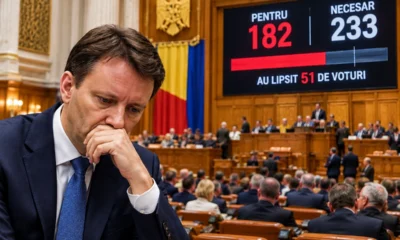

A román államfő elzárkózik az előrehozott választások kihirdetésétőlBukott a Mureșan-kormány, de az államfő még nem engedné az előrehozott választásokat Romániában
Romániában az alkotmány betűje szerint lassan az előrehozott választásokat kellene tartani, az államfő azonban inkább a sorok között olvas. Siegfried...
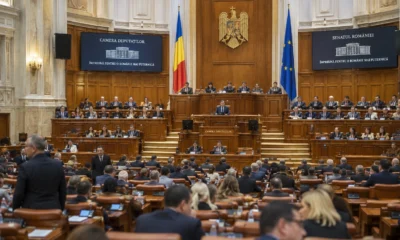

Románia úton a leminősítés és az előrehozott választások feléSiegfried Mureșan alakítana kormányt Bukarestben, Románia azonban inkább az előrehozott választások felé sodródik
A román államfő csütörtökön jelentette be, hogy Siegfried Muresant kéri fel kormányalakításra, miután a két korábbi miniszterelnök-jelölt nem tudta megszerezni...
